Content Licensing
Choose the content and programs you need for your own education business. We agree with each partner on what can be used, how it can be used and the support provided.
A reading program that helps children understand a whole story and how its details fit together, then explain their understanding through speaking and writing.
ConnecTree helps children understand both a whole story and the details that shape it. This forest-and-trees approach uses story maps, pictures and keywords to help children organize and recall what they read. Children then explain and write about the story, using evidence from the text. The program builds on reading fluency and familiar story language.
The forest perspective considers how the whole narrative is organized. The trees perspective attends to the scenes, events and details within it. ConnecTree moves between these perspectives to explore how parts and whole connect.
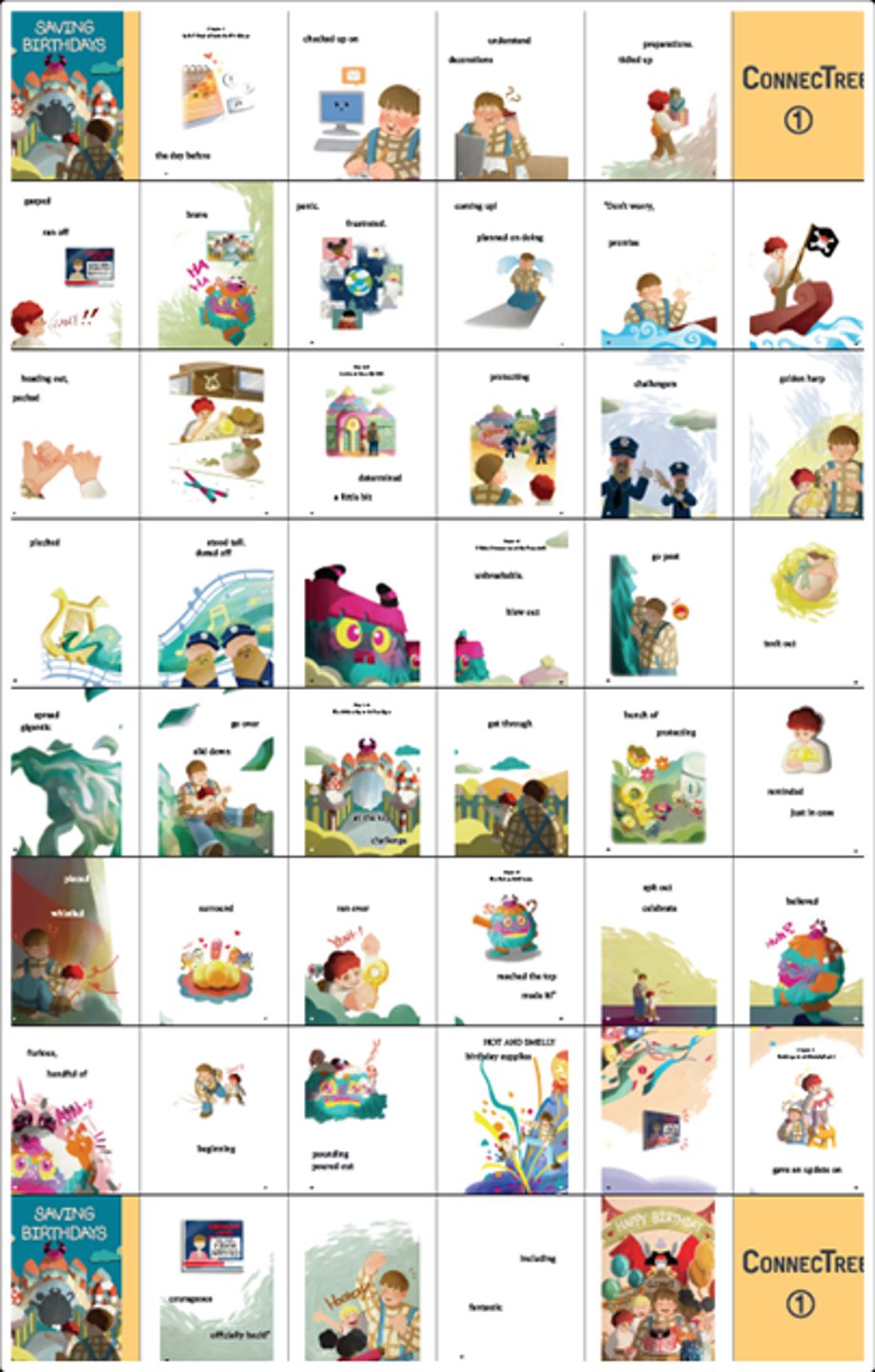
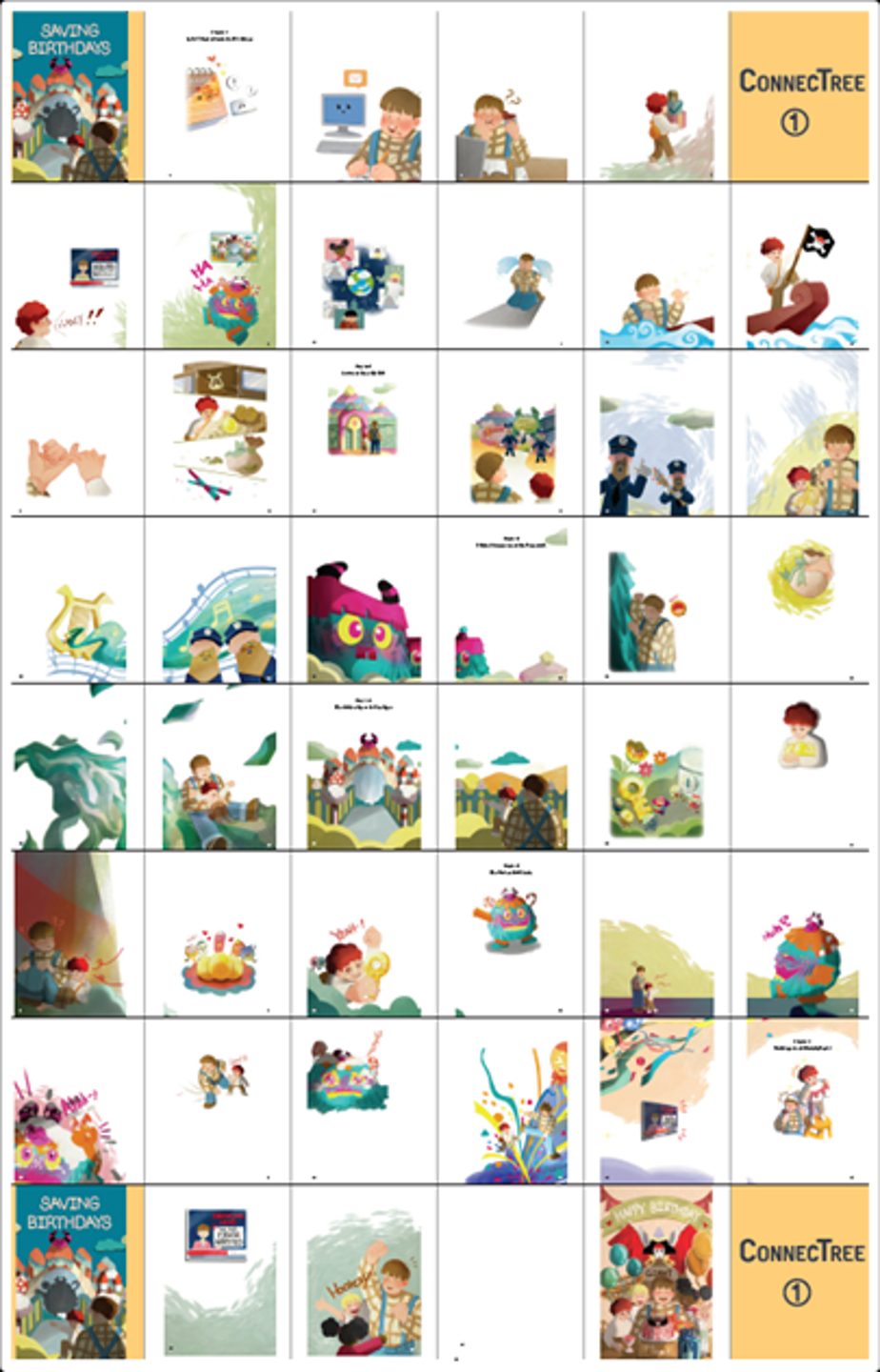
A scene illustration or keyword can prompt recall of both what happened and how it contributes to the wider story. The aim is to retain the overall structure while connecting and explaining relevant details.
Learners organize characters, setting, problems and resolutions and represent the flow of events through story maps. Graphic organizers provide a framework for connecting information.
Arranging chapter scenes in sequence and describing key events makes the overall map more specific. Attention extends from event order to why characters acted as they did and what changed as a result.
Understanding the language and content and recalling it from memory provide a foundation for organizing structure and relationships independently. Keyword and image-based posters offer cues for recalling a whole story and its scenes.
Workbook activities connect completing a story with keywords, organizing cues for scenes and writing sentences from pictures. As learners recall information, they also consider where it belongs in the overall structure.
Reading provides material for speaking and writing. Work across a whole book, individual chapters and chapter groups uses organized structure and cues to explain events and characters’ actions. Familiar vocabulary and sentences support a connected account.
Writing about a chapter involves selecting and connecting key events and relevant details. Alongside recall, learners consider why they understood the text in a particular way and which textual or visual clues support that account. Using language to explain and describe is a central goal of this stage.
Later connected story sequences invite learners to relate earlier characters and events to subsequent content. Work within a single book extends toward a larger narrative spanning several books.
Learners place new scenes in their earlier context and consider how previous events relate to later developments. The aim is practice in maintaining an overall framework while finding and connecting relevant information as the narrative grows.
Storybooks, workbooks, posters, lesson plans, teaching resources and student online activities support the course. Teachers consider overall narrative flow, accuracy of details, explanations of relationships, and spoken and written expression, providing cues and feedback where needed.
Building on FluenTree’s experience of acquiring and recalling story language, ConnecTree develops organization, explanation and written accounts. These experiences prepare foundations for later learning, including IRP’s deeper reading and discussion, and for language used in academic study.
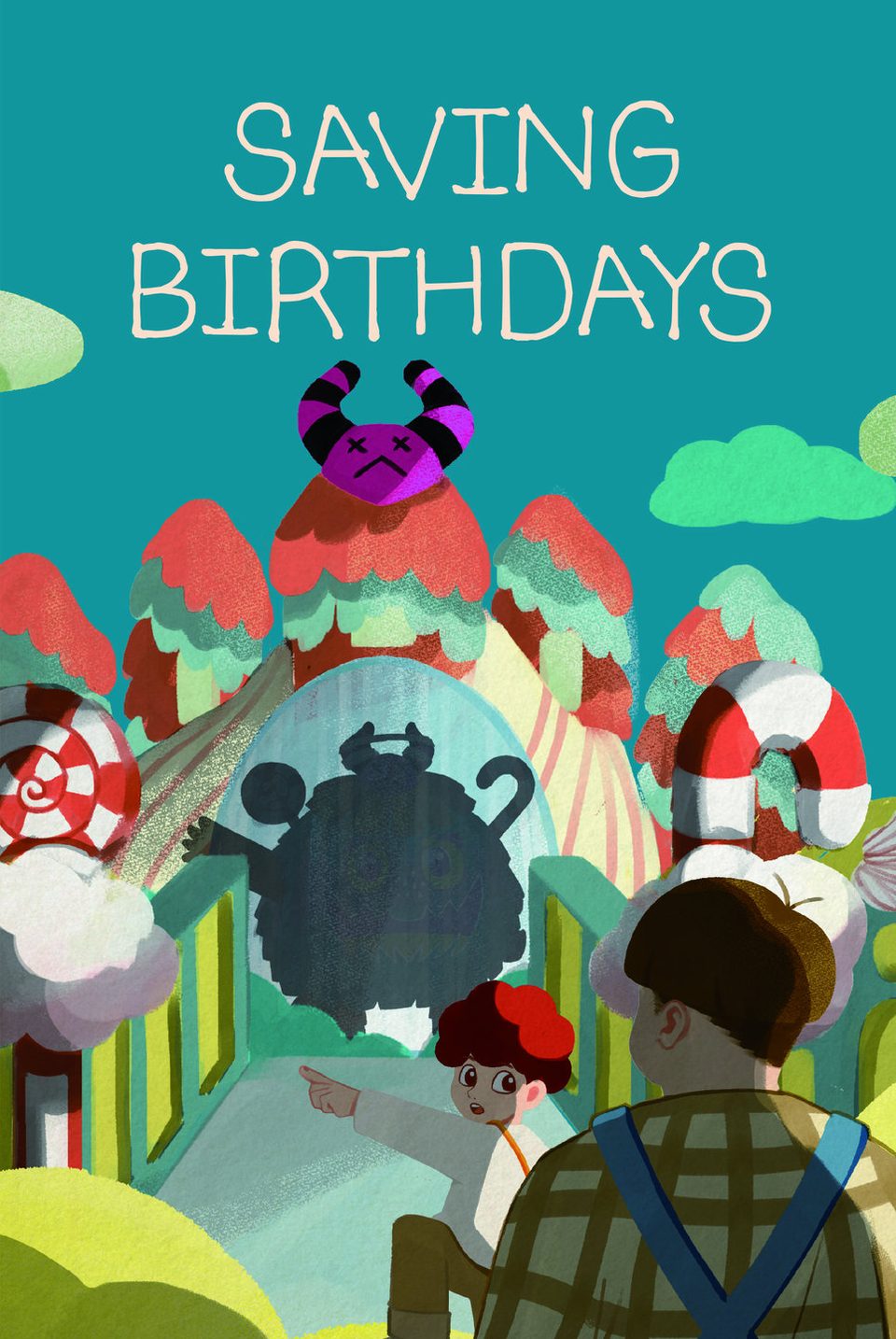
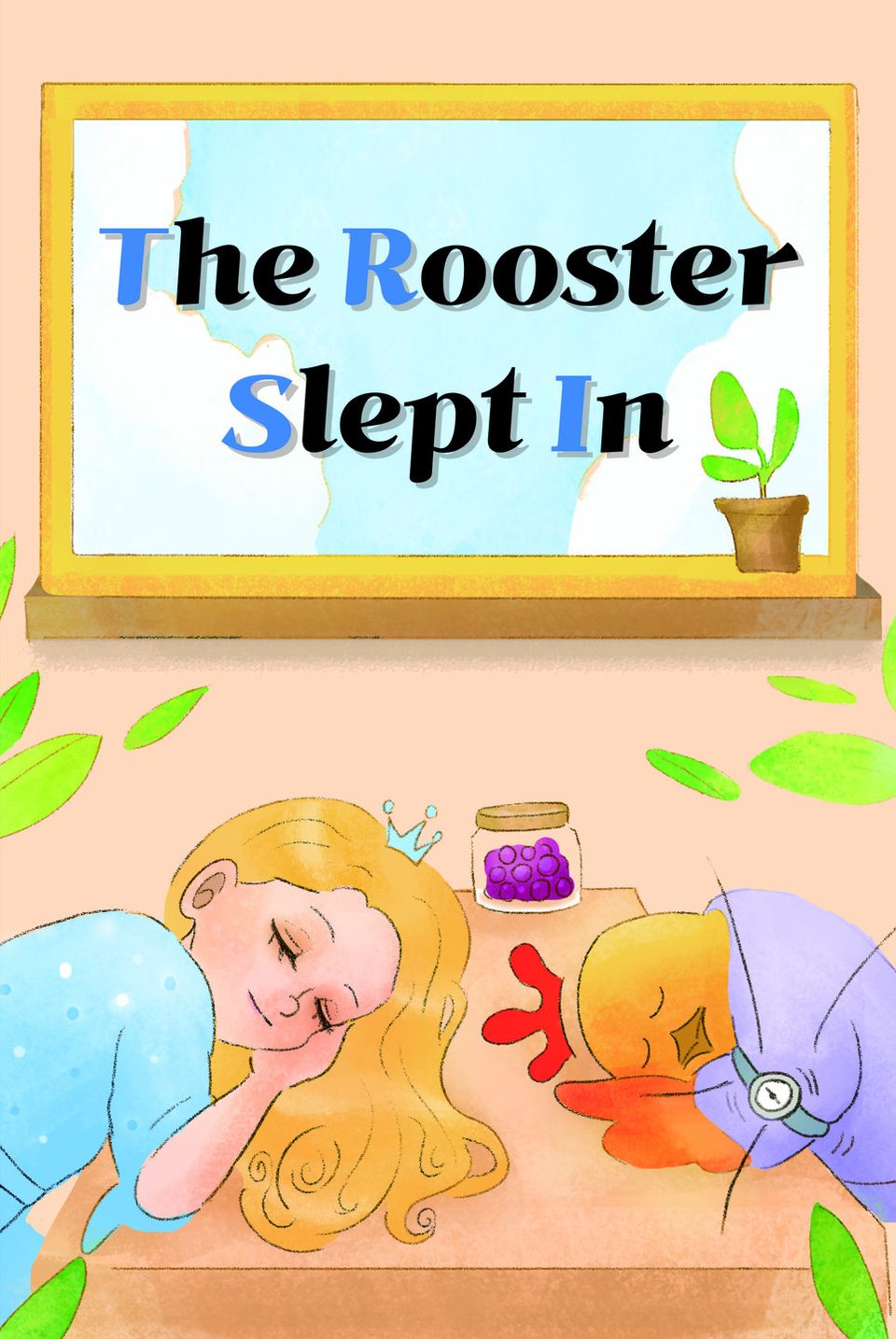
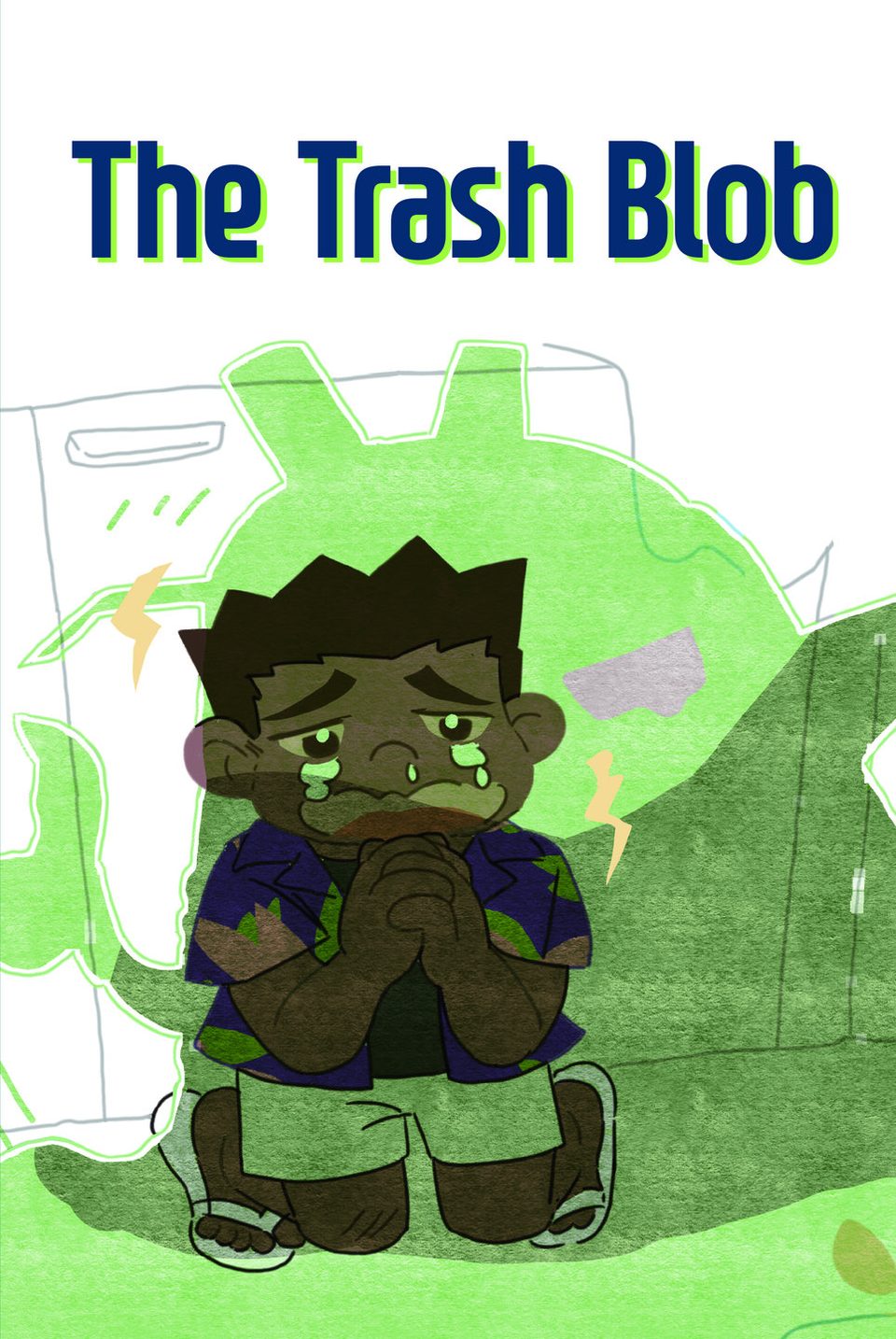
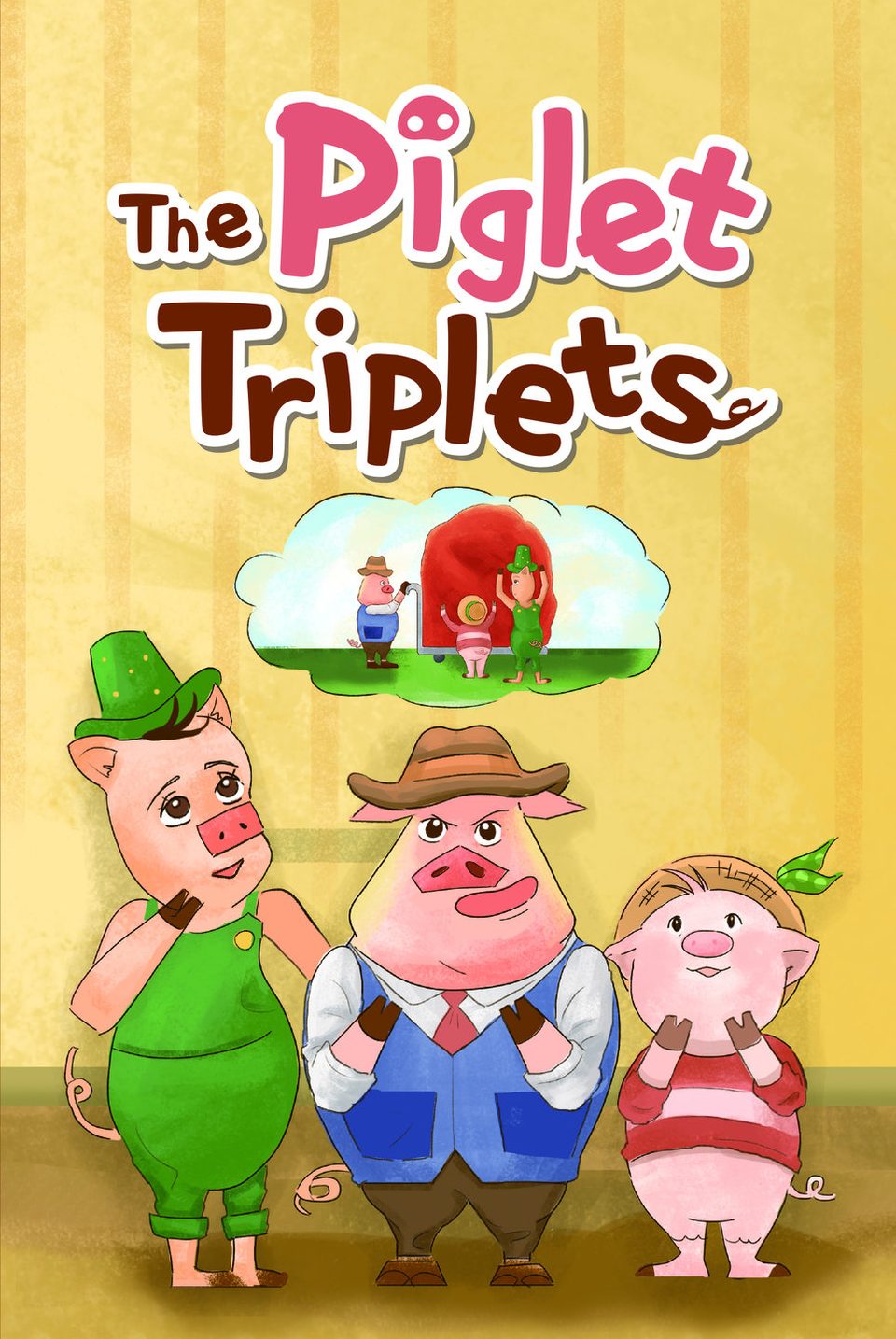

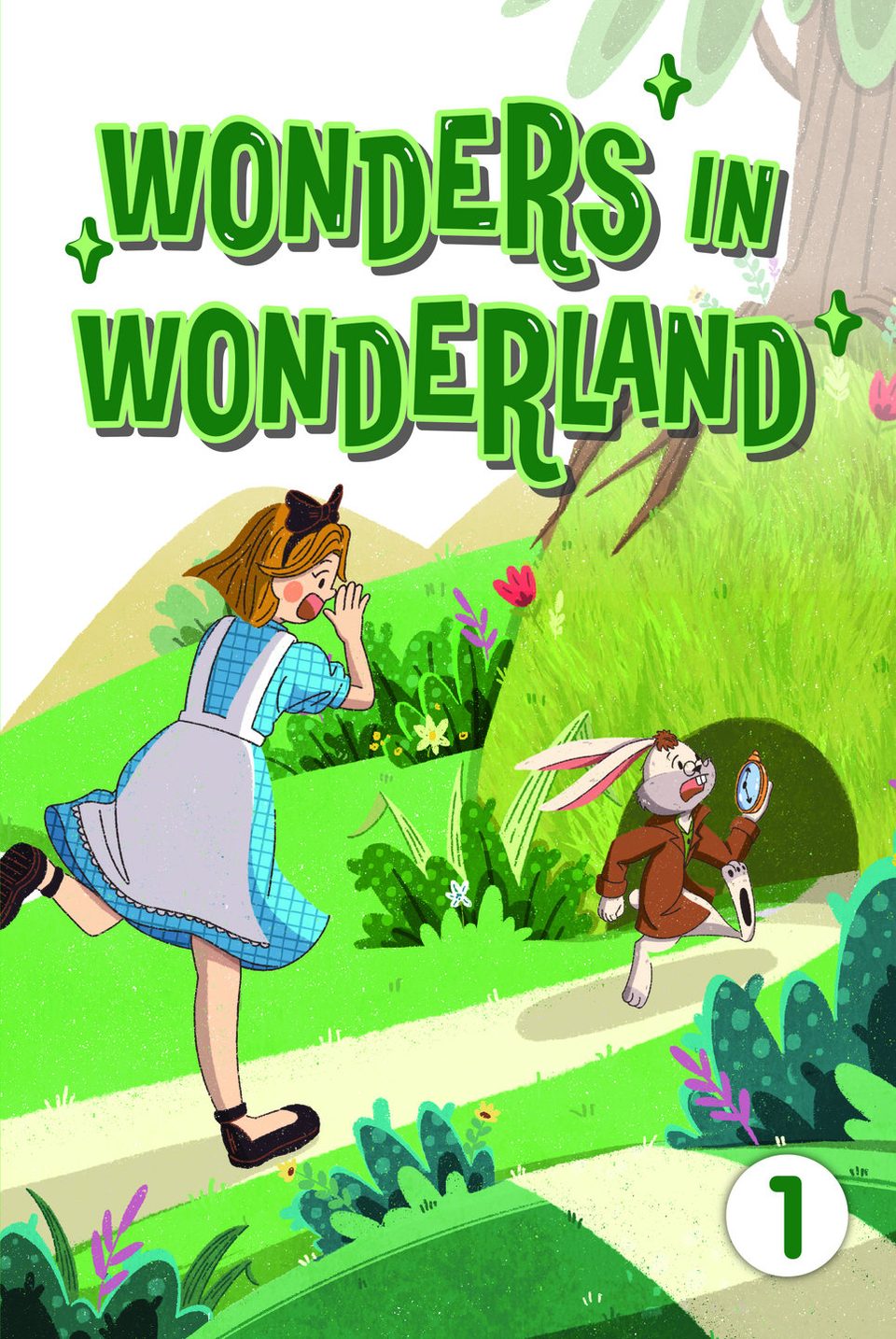
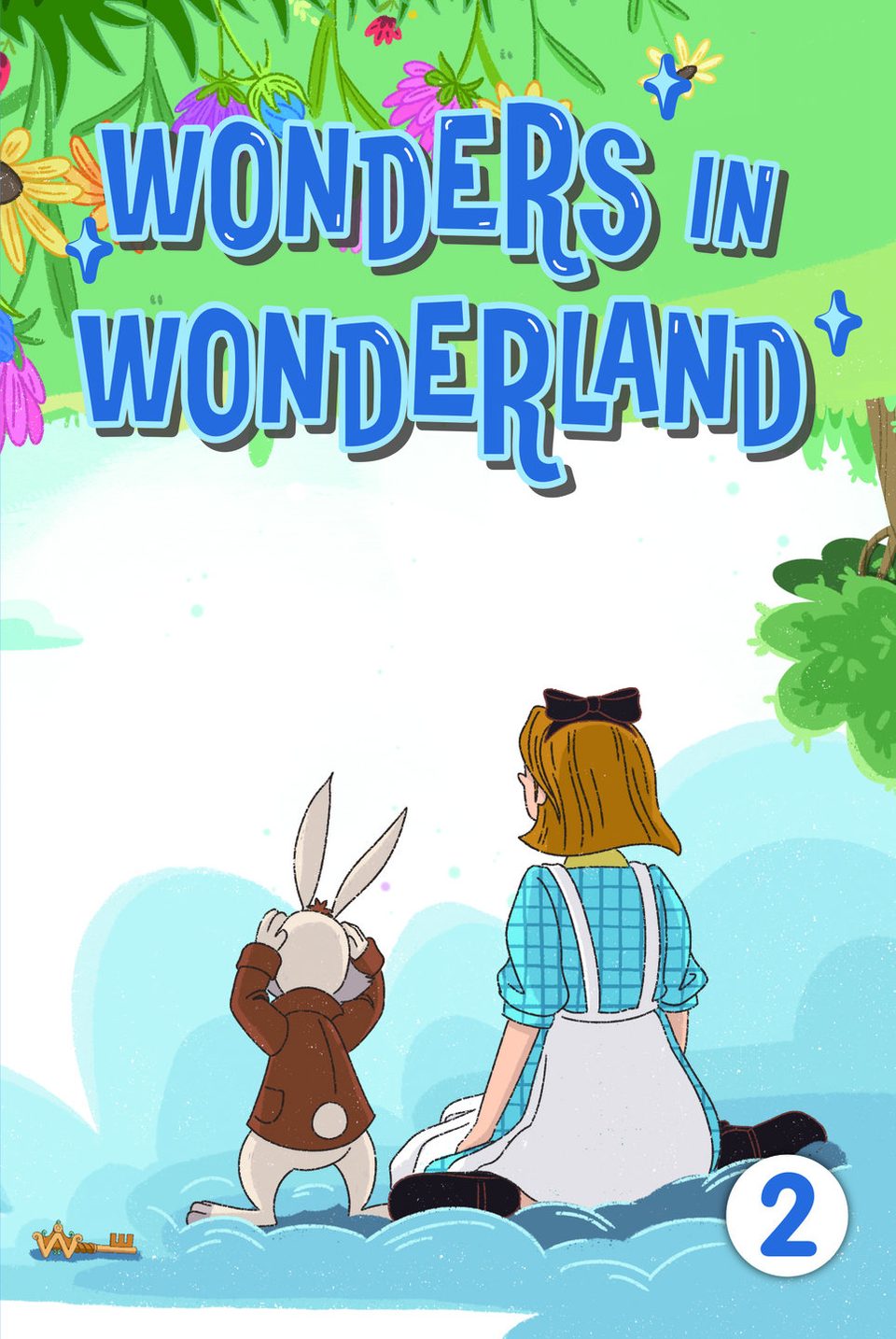
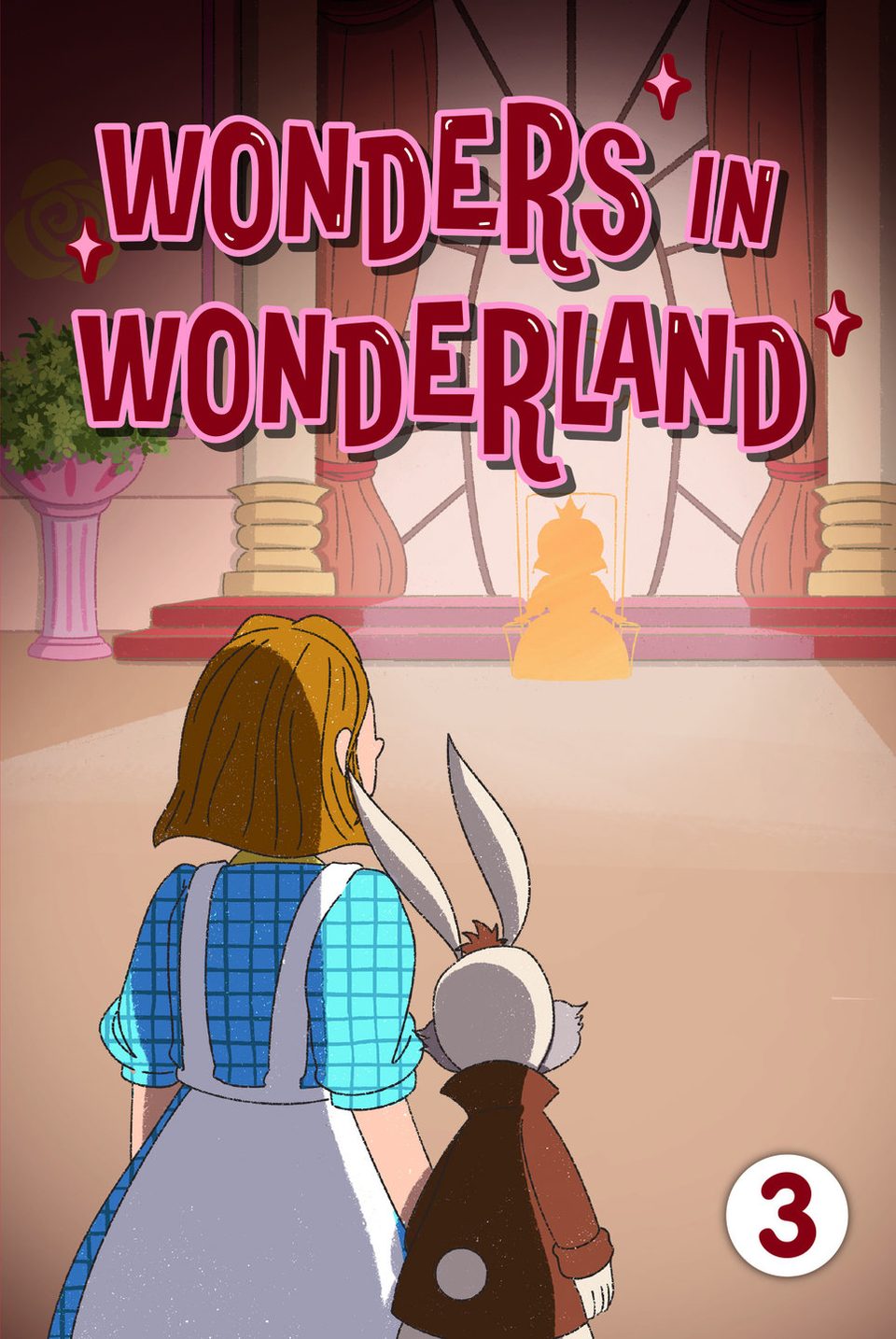

These are the ways this program can be used. Tell us your goals and we will discuss the configuration, scope of use and support.
Choose the content and programs you need for your own education business. We agree with each partner on what can be used, how it can be used and the support provided.
We discuss program options, support, territory and contract terms for each project and partnership.
From brand franchising and the supply and distribution of textbooks and content to international business, B2C sales and learning services. Tell us about the business you have in mind and we’ll recommend the best fit.