Phase 1
Ebook sample
A phonics program for school and home learning. Children explore English sounds and spelling through listening, speaking, reading, stories and dictation.
EASYUTTER helps children hear the differences between English sounds, say them accurately and connect them with letters. Children put sounds together to read words and break words into their sounds. They use these skills in reading, stories and dictation—listening and writing what they hear. Books, digital activities, clear examples and feedback help children practice and review their work.
Accurate sound models and a child’s ability to distinguish and produce those sounds both deserve attention. EASYUTTER starts with English sounds, building listening and speaking experiences before connecting them with letters.
Hearing language, understanding its meaning and trying to say it provide a foundation for written language. Attention to how a child hears and produces sounds continues as they learn letters.
Children blend familiar sounds to read words and segment words into their sounds. Finding common patterns across examples helps them apply familiar sound–spelling relationships to new combinations.
Accurate models introduce the sounds, while opportunities to try support discovery of how they combine. Explanation and feedback refine that discovery. Later learning extends to different spellings for a sound and different sounds for a spelling.
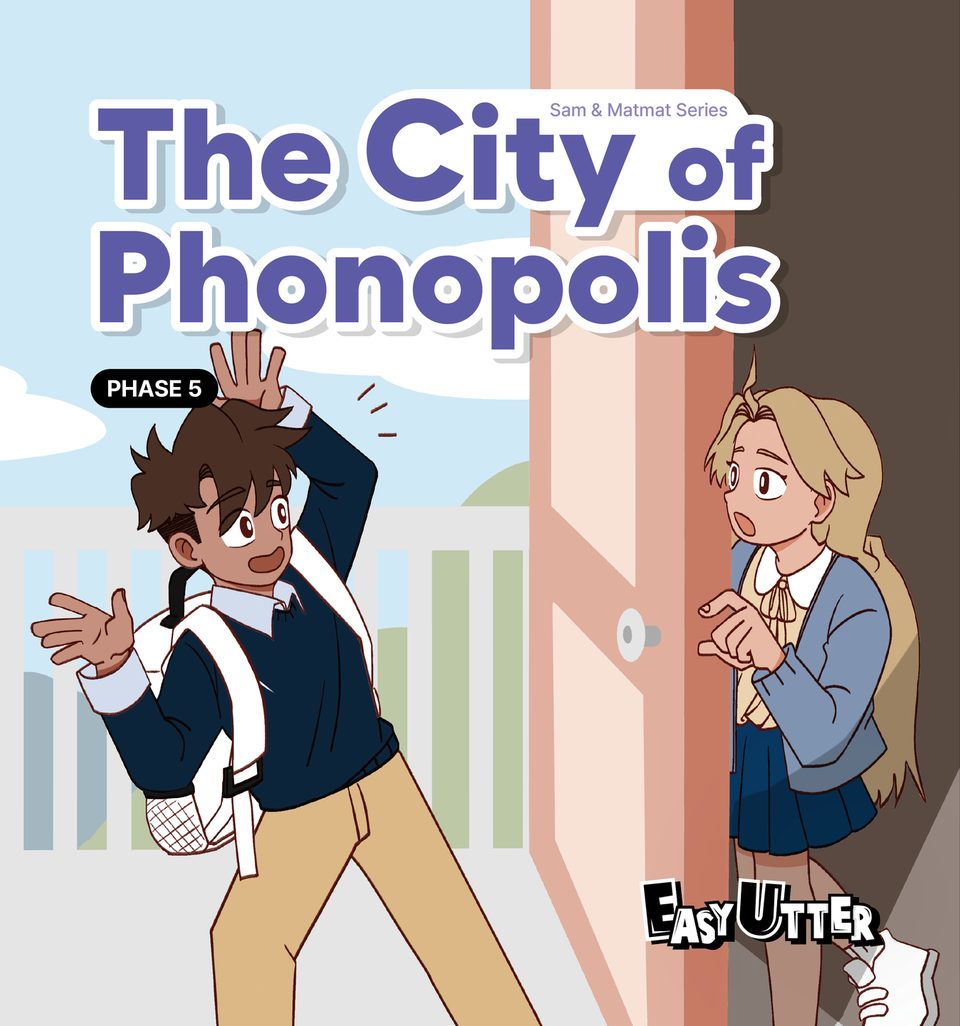
Connected comic episodes give children opportunities to use familiar principles in reading. Early stories use decodable words based on familiar sounds alongside essential sight words, supporting attempts at independent reading.
Learning extends from individual words to sentences and connected text. Children use sound–spelling relationships to read, while illustrations and events help them make sense of the language. Decoding practice continues alongside experiences of understanding meaning.
Reading moves from spelling to sound; dictation moves from sound to spelling. Using familiar relationships in both directions offers opportunities to notice how children distinguish and segment sounds and select spellings.
Because English can represent one sound with several spellings, applying sound–spelling relationships develops alongside knowledge of conventional word spellings. A child’s writing and explanation can help identify whether further work is needed on sounds, correspondences or word spelling.
Listening to a recording allows children to revisit sounds they may have missed while reading. EASYUTTER’s recording activities provide opportunities to compare their reading with a native-speaker model, notice differences and try again.
The theory book extends this approach to writing: children reread what they have written and compare it with what they heard, considering what they applied successfully and what needs more practice. Models and feedback support a growing ability to review their own work.
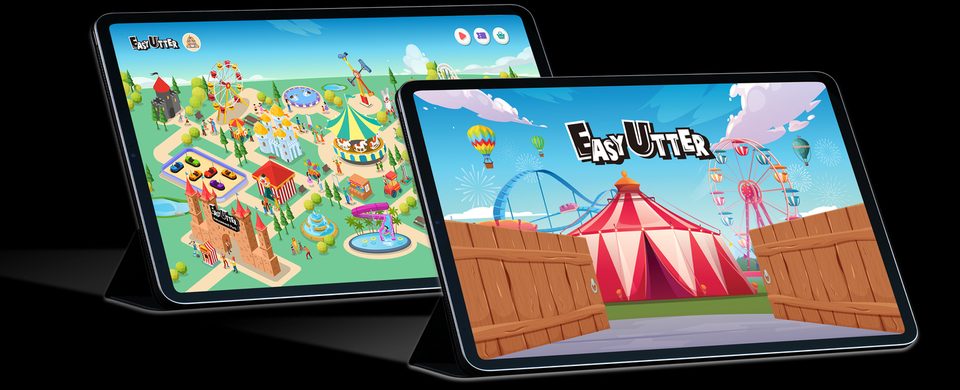
EASYUTTER can support phonics classes in educational institutions, connected classroom and home learning, and independent study at home. Books and digital activities can be connected according to a child’s sound experience and learning context.
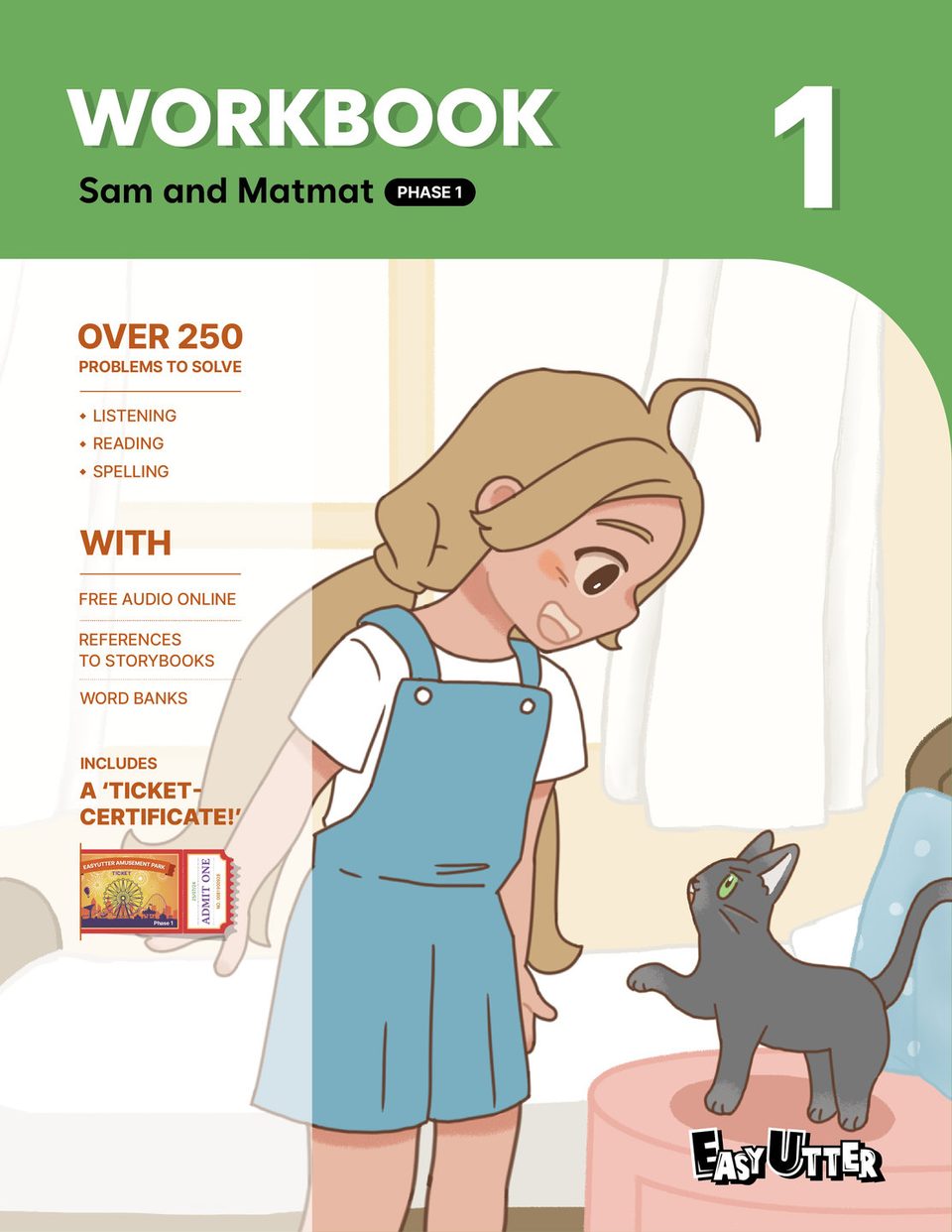
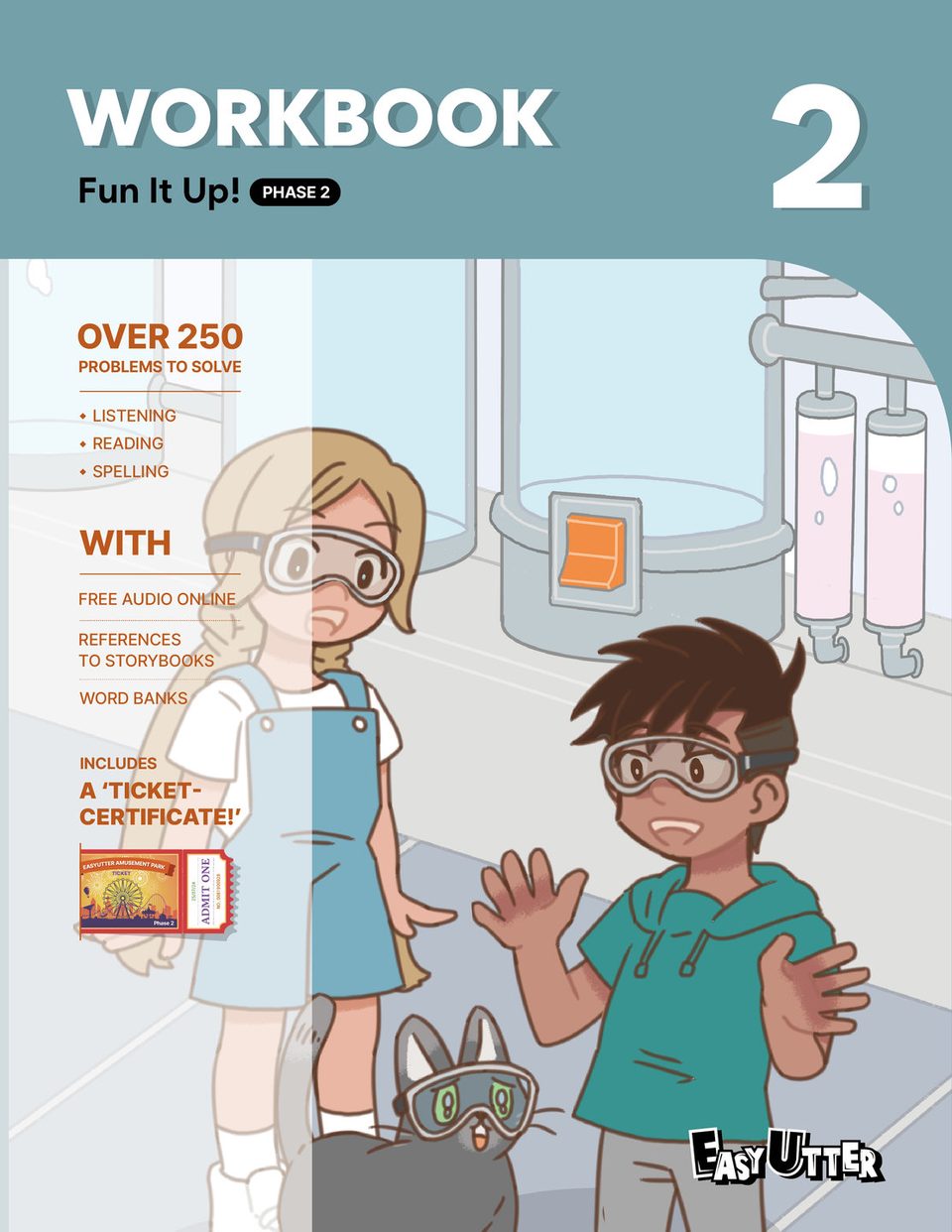
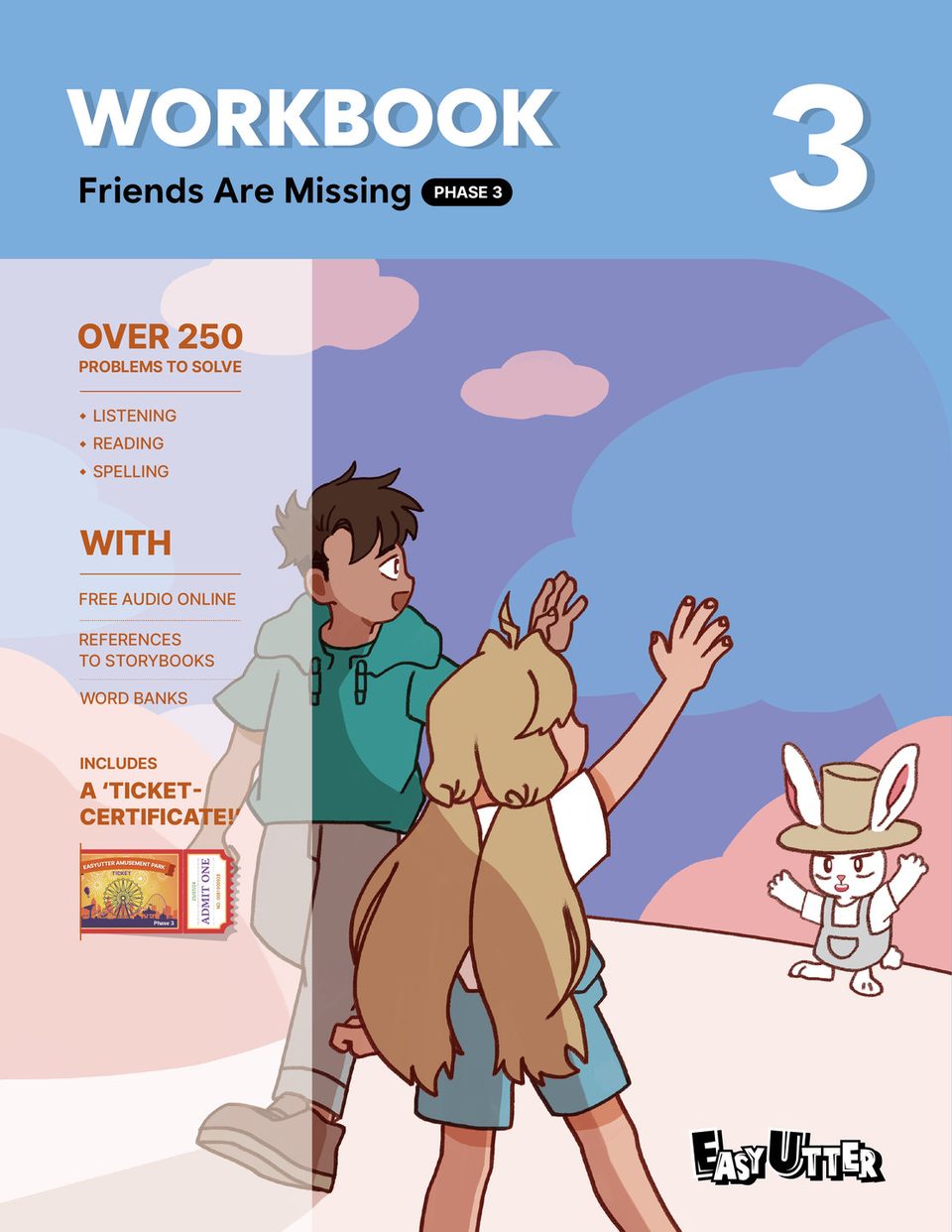
Individual and institutional configurations each contain six storybooks and six workbooks, twelve books in total. The theory book 『영재를 만드는 파닉스 교육은 따로 있다』 by CHOI CHANGUK (최창욱), a separate learning guide and teacher resources support understanding of the approach and its use.
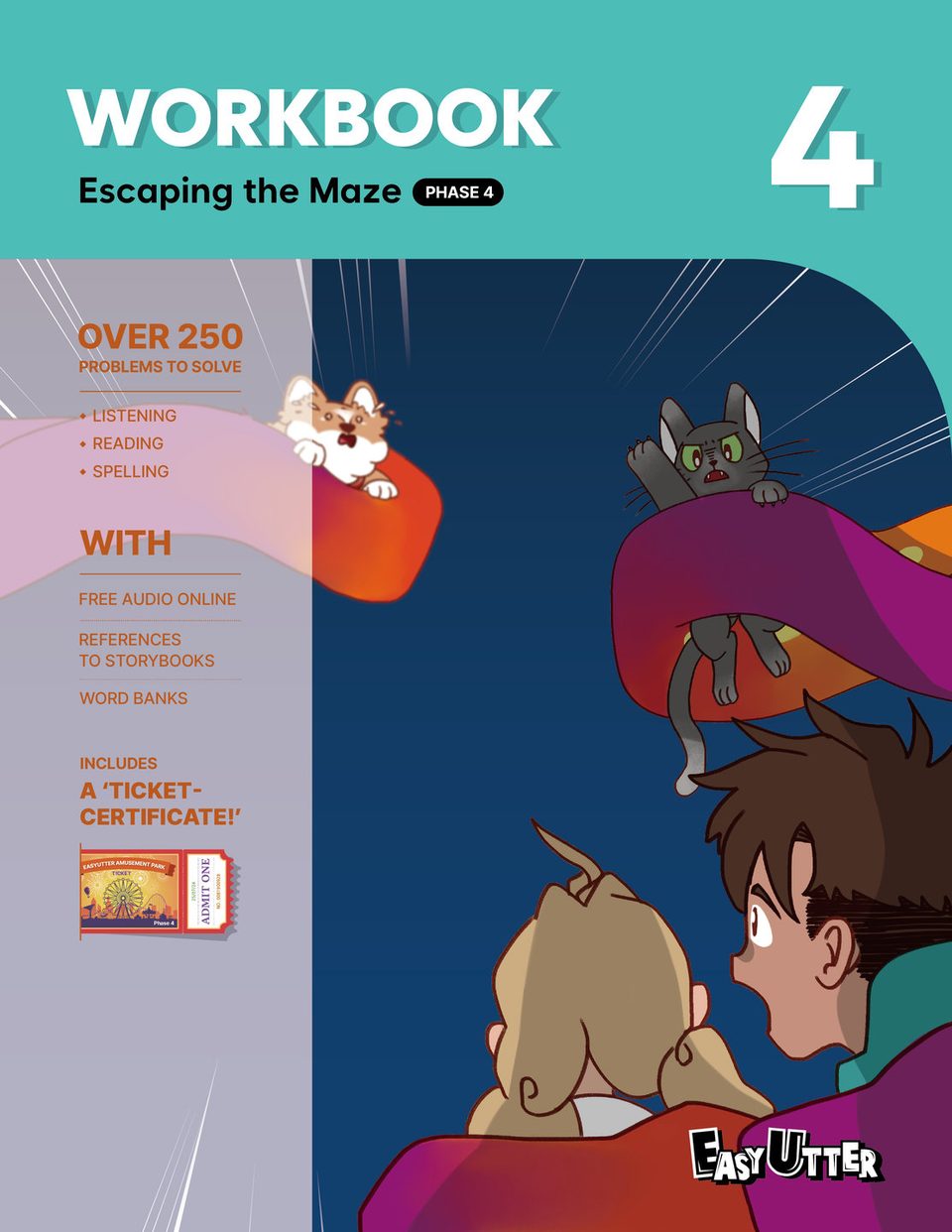
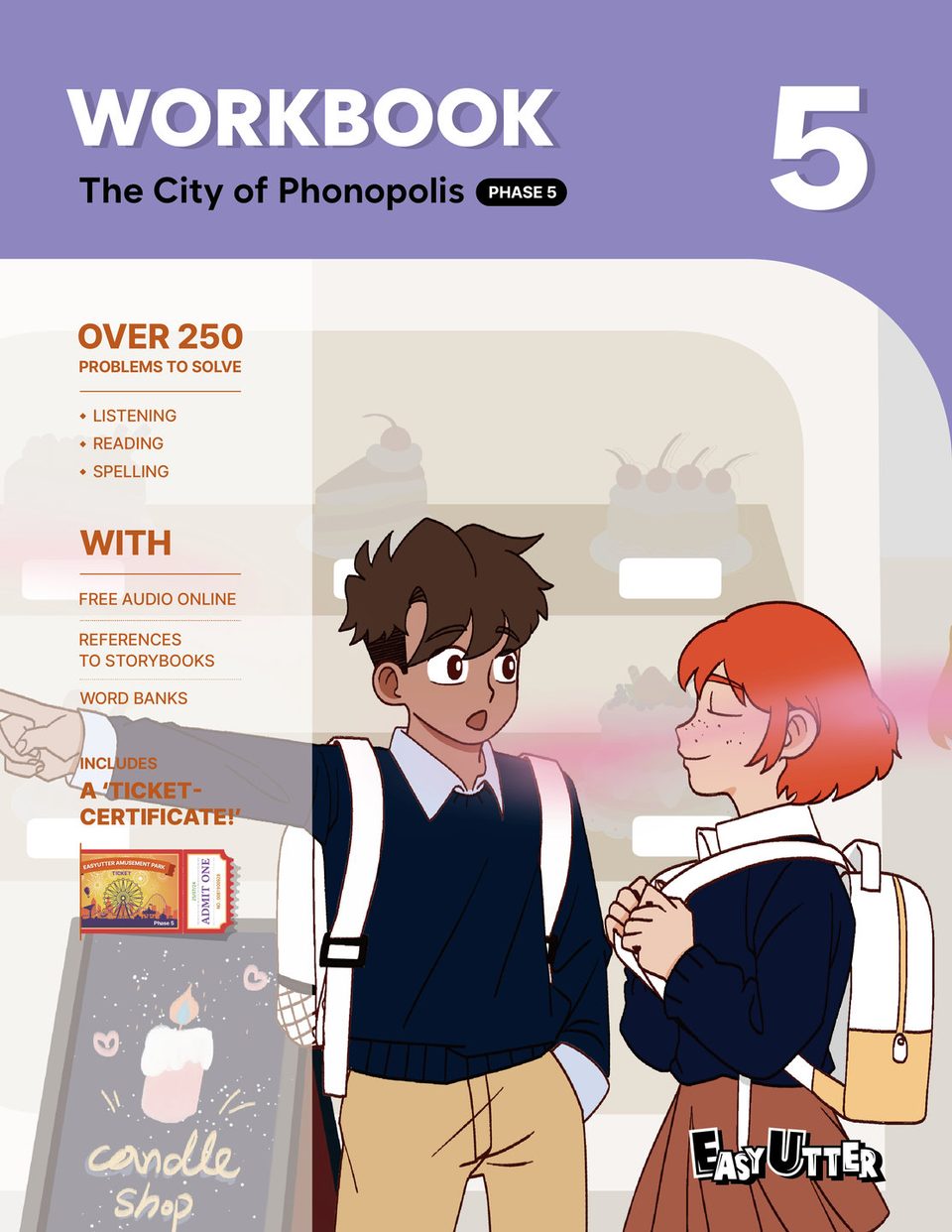
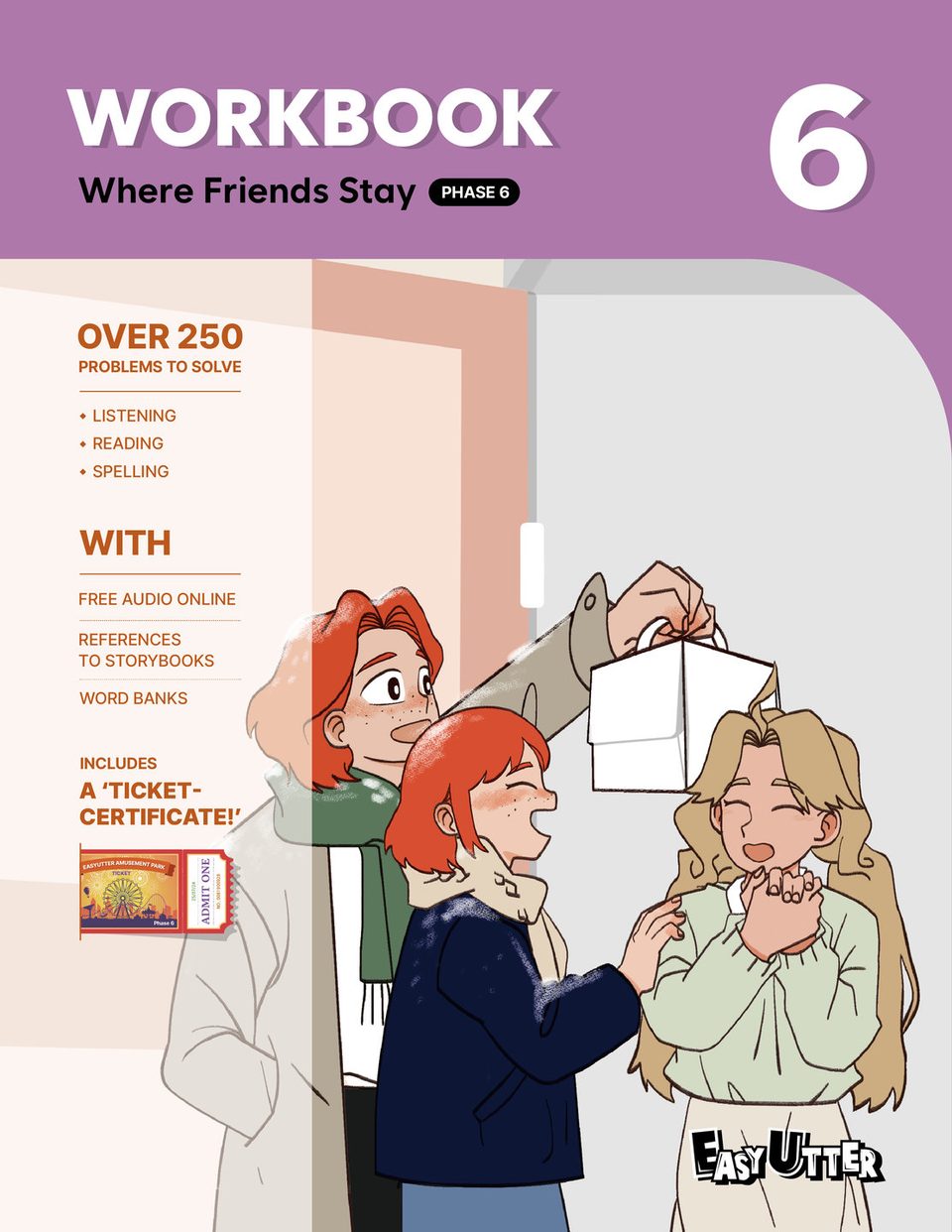
Twelve books—six storybooks and six workbooks—span six phases, connecting 60 story episodes with digital learning. Individual (B2C) and institutional (B2B) users share the same book configuration.
The theory book and learning guide are presented separately from the 12 program books.
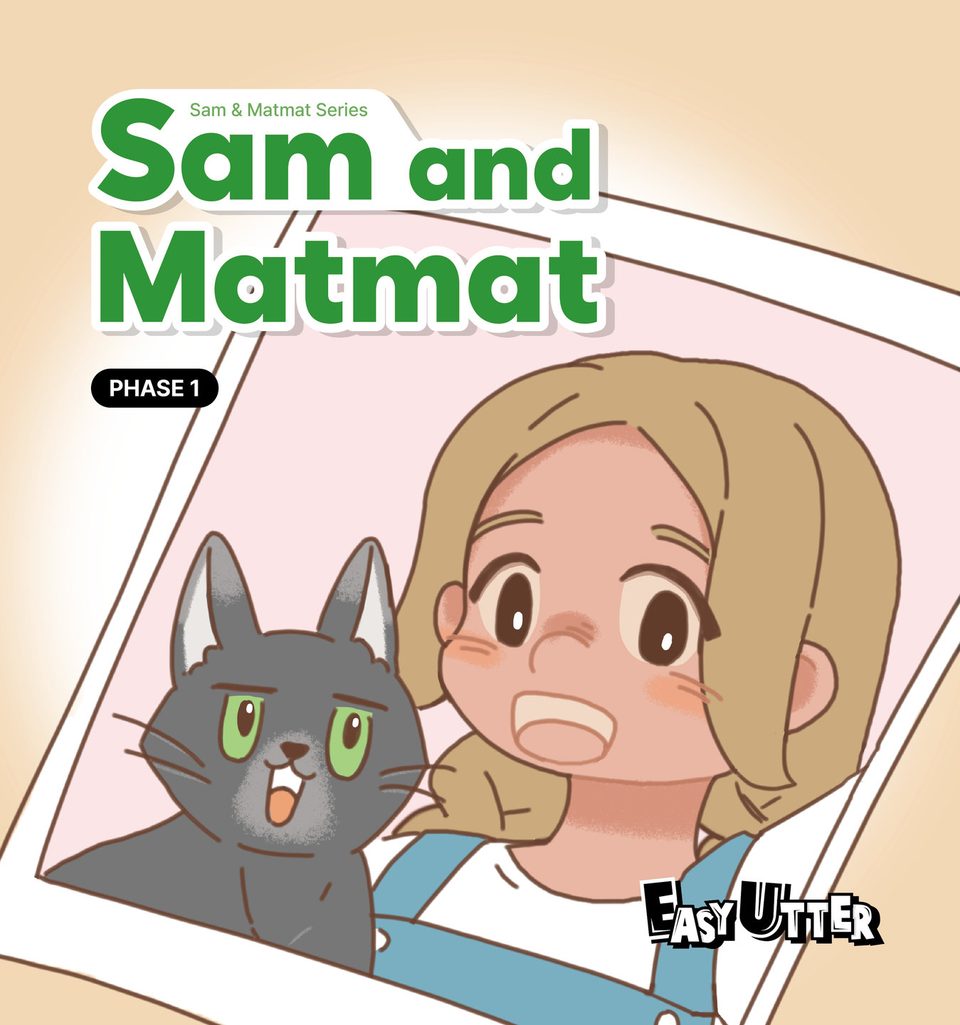
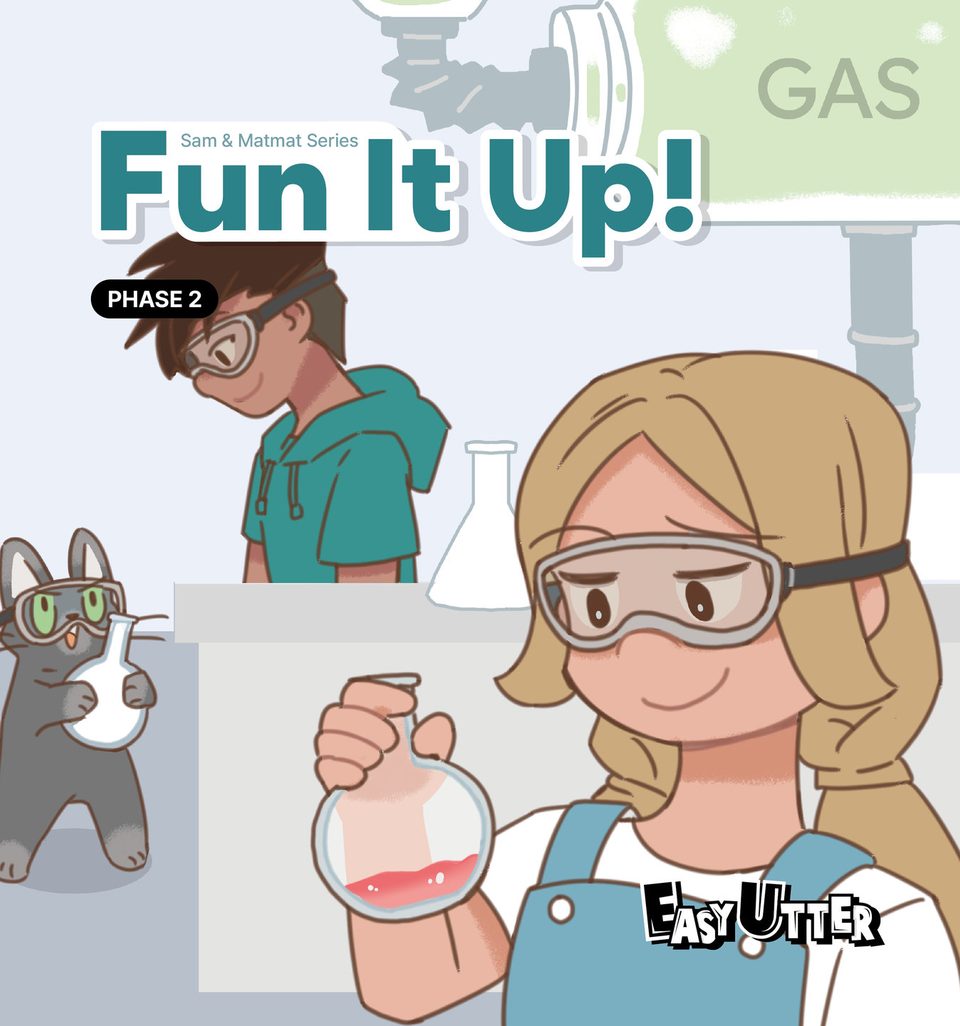
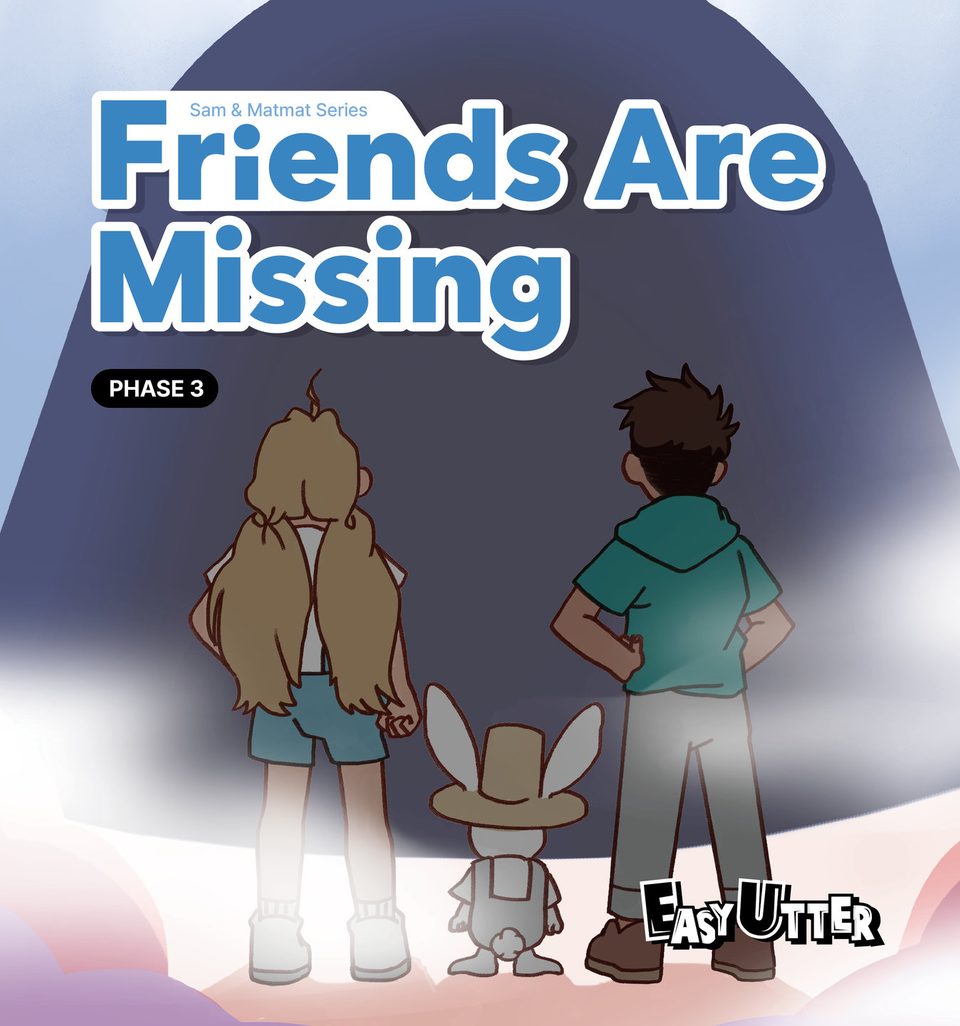
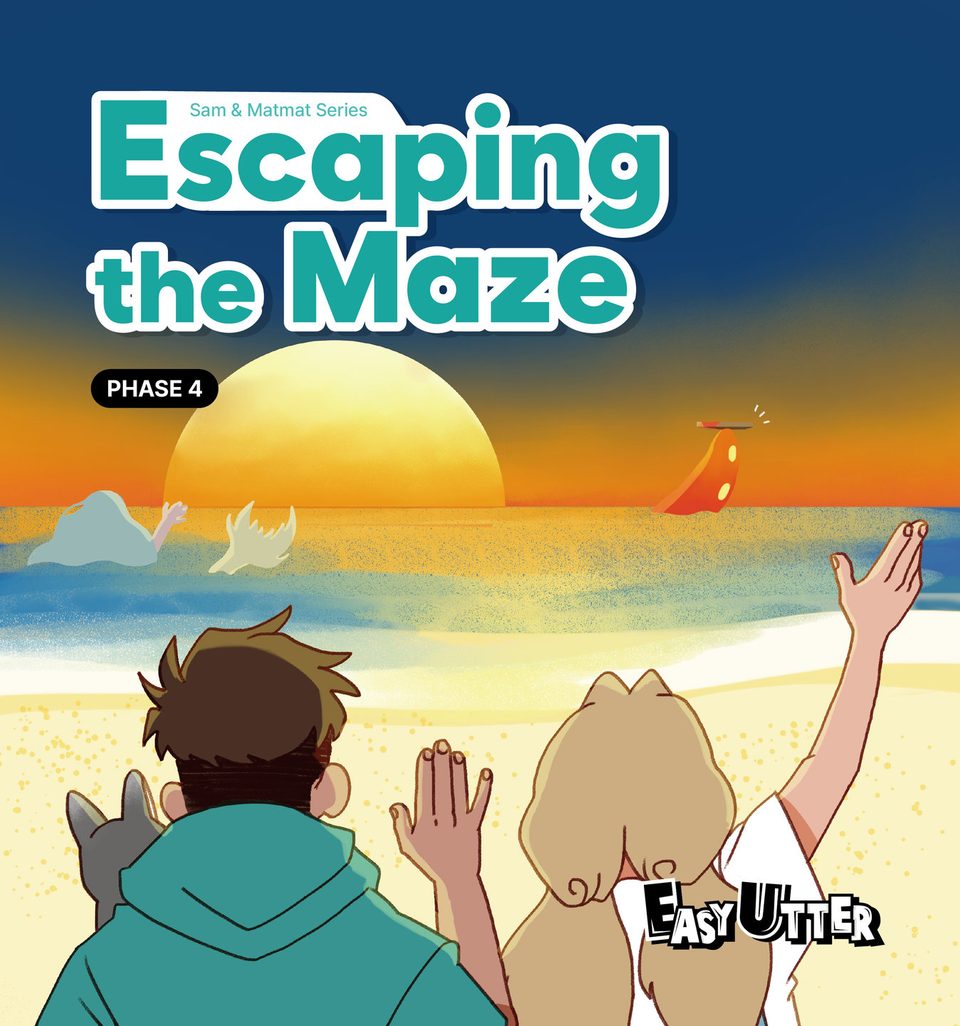

Ebook sample
Ebook sample
Ebook sample
Ebook sample
Ebook sample
Ebook sample
An introduction to reading, recording and learning activities
Phase samples open in a new tab. Landscape orientation provides a more comfortable ebook view.
These are the ways this program can be used. Tell us your goals and we will discuss the configuration, scope of use and support.
Individual (B2C) and institutional (B2B) users share the same book configuration. The theory book and learning guide are presented separately from the 12 program books.
Choose the content and programs you need for your own education business. We agree with each partner on what can be used, how it can be used and the support provided.
We discuss program options, support, territory and contract terms for each project and partnership.
From brand franchising and the supply and distribution of textbooks and content to international business, B2C sales and learning services. Tell us about the business you have in mind and we’ll recommend the best fit.