Textbook Supply
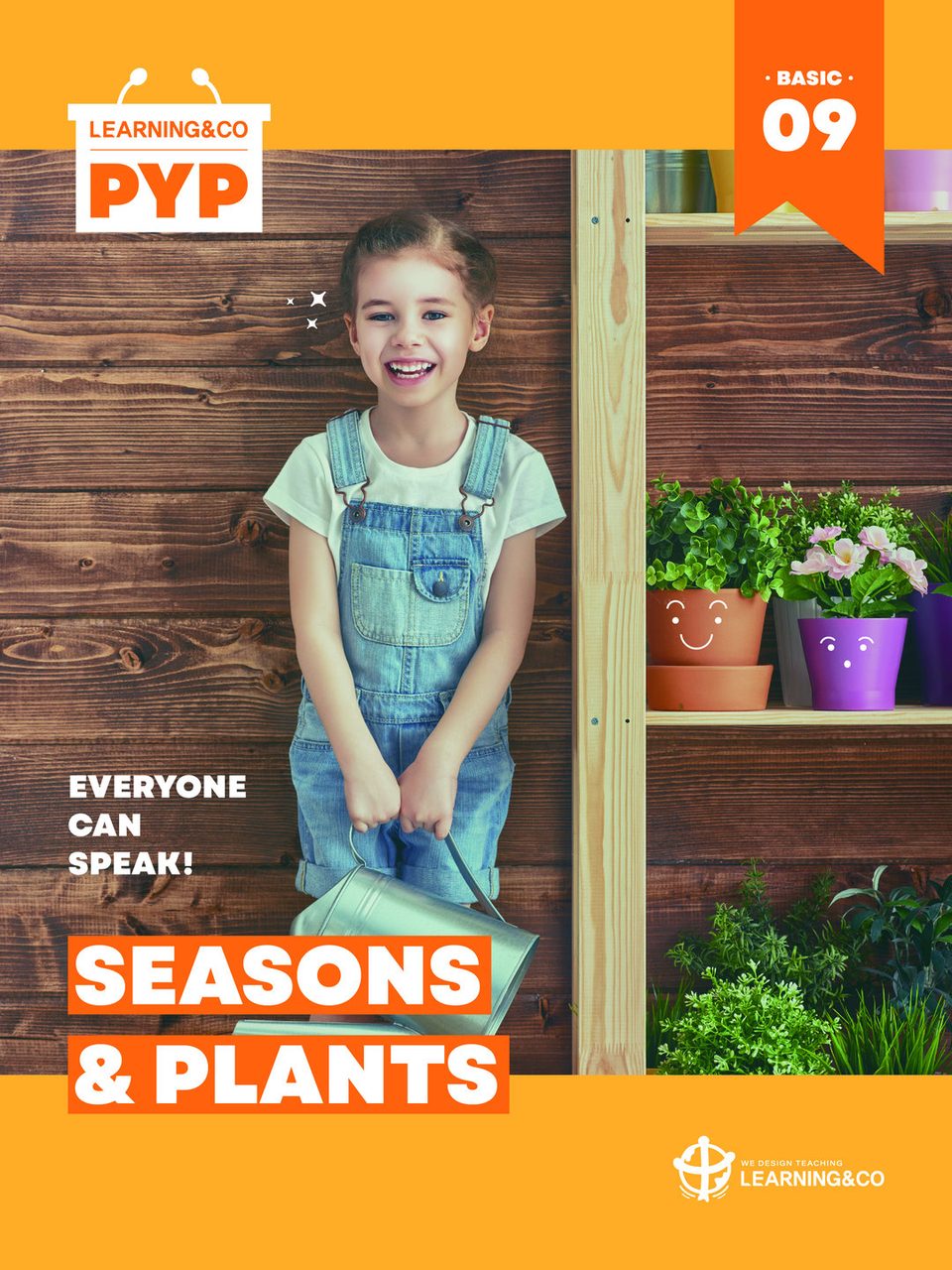
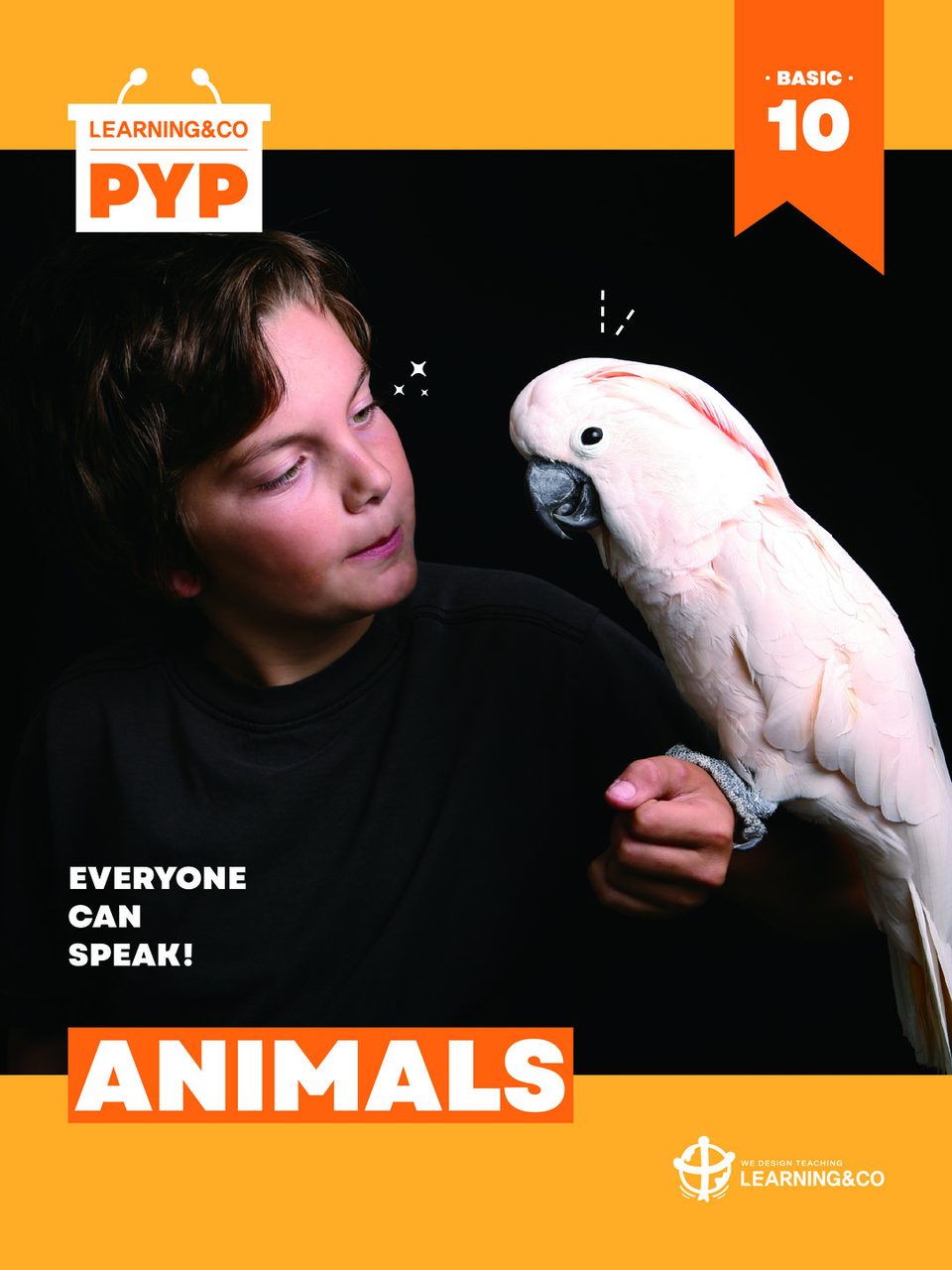
Textbook supply covers the 10-book PYP Basic series. Levels 1–3 are discussed through a content partnership.
Progress from foundations for independent reading in Basic to classifying and comparing nonfiction in PYP1, then forming questions and explaining with evidence in PYP2.
Learning&Co’s PYP is a theme-based English program for children learning English as a foreign language. Children read, classify and compare information, then organize and explain it in their own words. Basic builds foundations for independent reading; PYP1 introduces guided organization of nonfiction; PYP2 develops children’s own questions and explanations supported by evidence. The design draws on theme-based learning in international schools.
In Basic, children apply the sound–letter relationships learned in SoundTree Core and the understanding of meaning developed in Onebite 600 to actual texts. Pictures and context introduce topic information, while basic sentences and paragraphs invite them to explore what expressions mean and how they connect.
By accurately reproducing familiar expressions and connecting new ones with what they know, children infer sentence structure and meaning. Teacher examples, questions and demonstrations support reading, while recalling content in speech and writing helps establish foundations for reading and understanding independently.
In PYP1, children read nonfiction topics and learn to choose criteria for classification, make comparisons and connect information. Before reading, photographs invite predictions and connections with their own experience; prepared questions identify key points to look for in the text.
After reading, classification and comparison activities help organize information. Sentence frames and Speech Cards support arranging each part for spoken presentation. Children first consult the book to organize content, then refine it in their own words for presentation. With teacher support gradually reduced, the goal is to organize the whole book on a blank page and explain it.
In PYP2, concepts and relationships between ideas become more complex, and children generate their own questions to guide inquiry. They ask about important facts, classification criteria, similarities and differences, reasons and methods, then find evidence in the text to support their answers.
Children connect individual parts with the book’s central ideas, selecting relevant details for a coherent explanation. Building on experience with supported organization, they develop the ability to reconstruct and explain the overall structure and important relationships with the book closed.
Activities connect understanding and learning content, organizing it with reference materials, and retrieving it for an explanation with increasing independence. A Speech Card prepared while consulting the book helps organize understanding. Speaking from pictures or keywords with the book closed provides practice in retrieving that content from memory.
As sentence frames and cues are gradually reduced, teachers observe both what children remember and the criteria they use to group information and explain relationships between parts. Presentations make the selection of important information, the flow of an explanation and reasons grounded in the text visible.
Outline, Build, Expand, Apply, Transfer and Assess structure the handling of knowledge: establishing a framework, developing it and considering its use in further contexts.
Learners are guided to construct presentations from acquired information. Key Frames provide language structures for academic expression.
Within the Pangram curriculum, PYP1 develops deliberate organization of nonfiction alongside the story acquisition and recitation practiced in FluenTree. PYP2 develops systematic explanation of knowledge and information alongside ConnecTree’s work on connecting a story’s overall structure with its details.
Readiness for the next stage is considered through children’s independent reading and understanding, their classification and connection of content, and their explanations with fewer cues. Books, lesson plans and online teaching and learning resources support this work, with guidance adjusted to what learners need at each stage.
Textbook supply covers the 10-book PYP Basic series. Levels 1–3 are discussed through a content partnership.
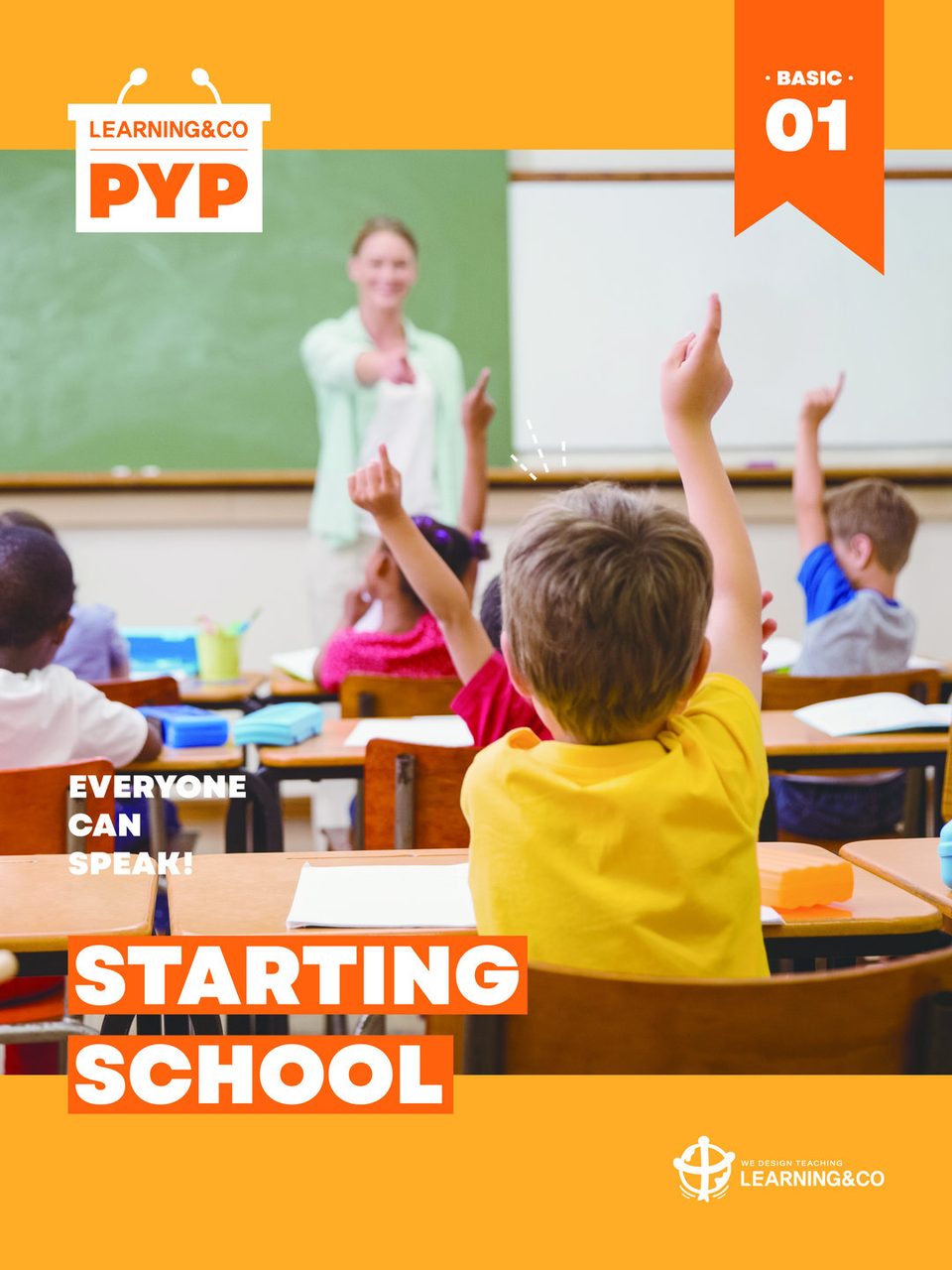
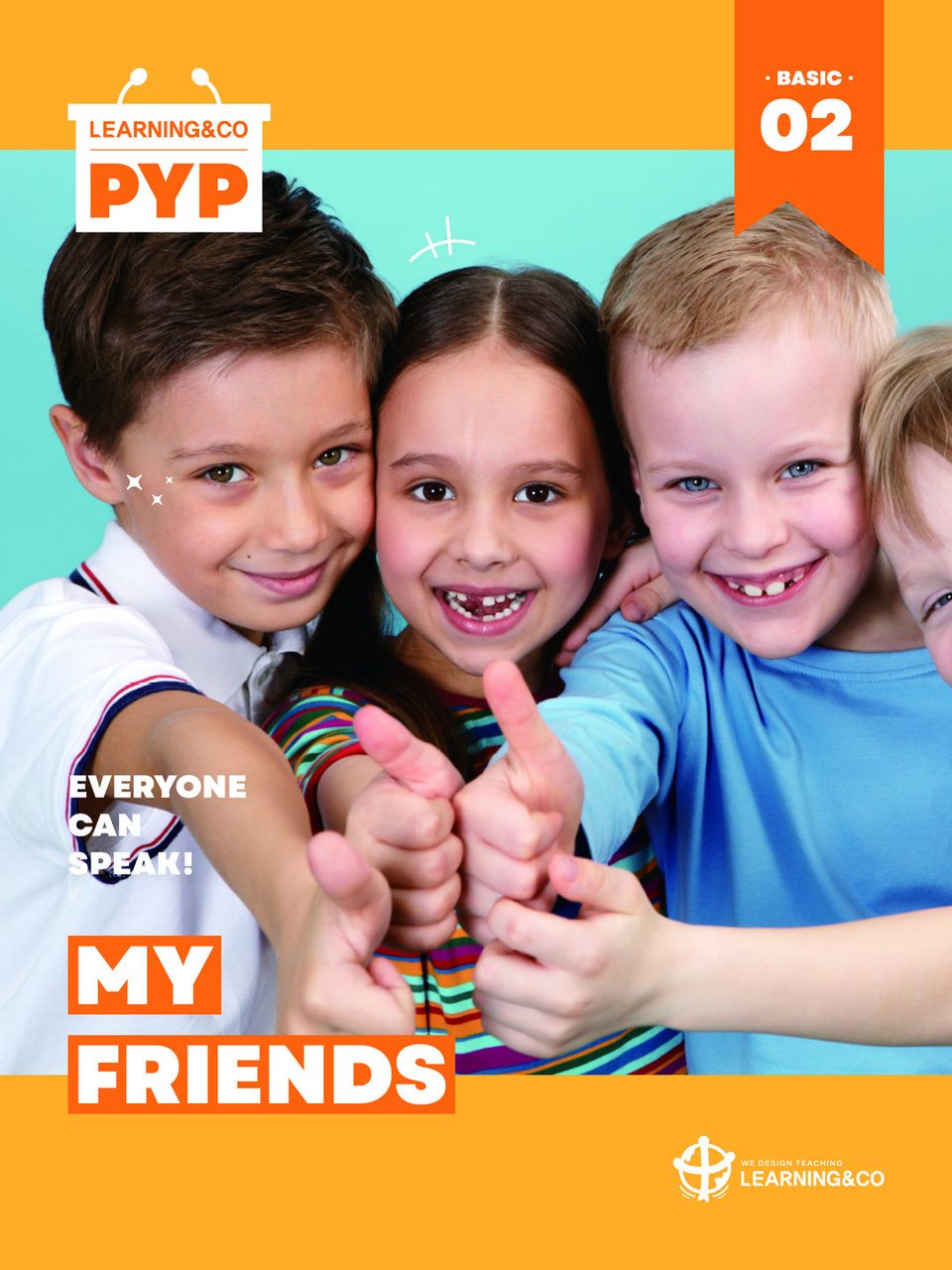
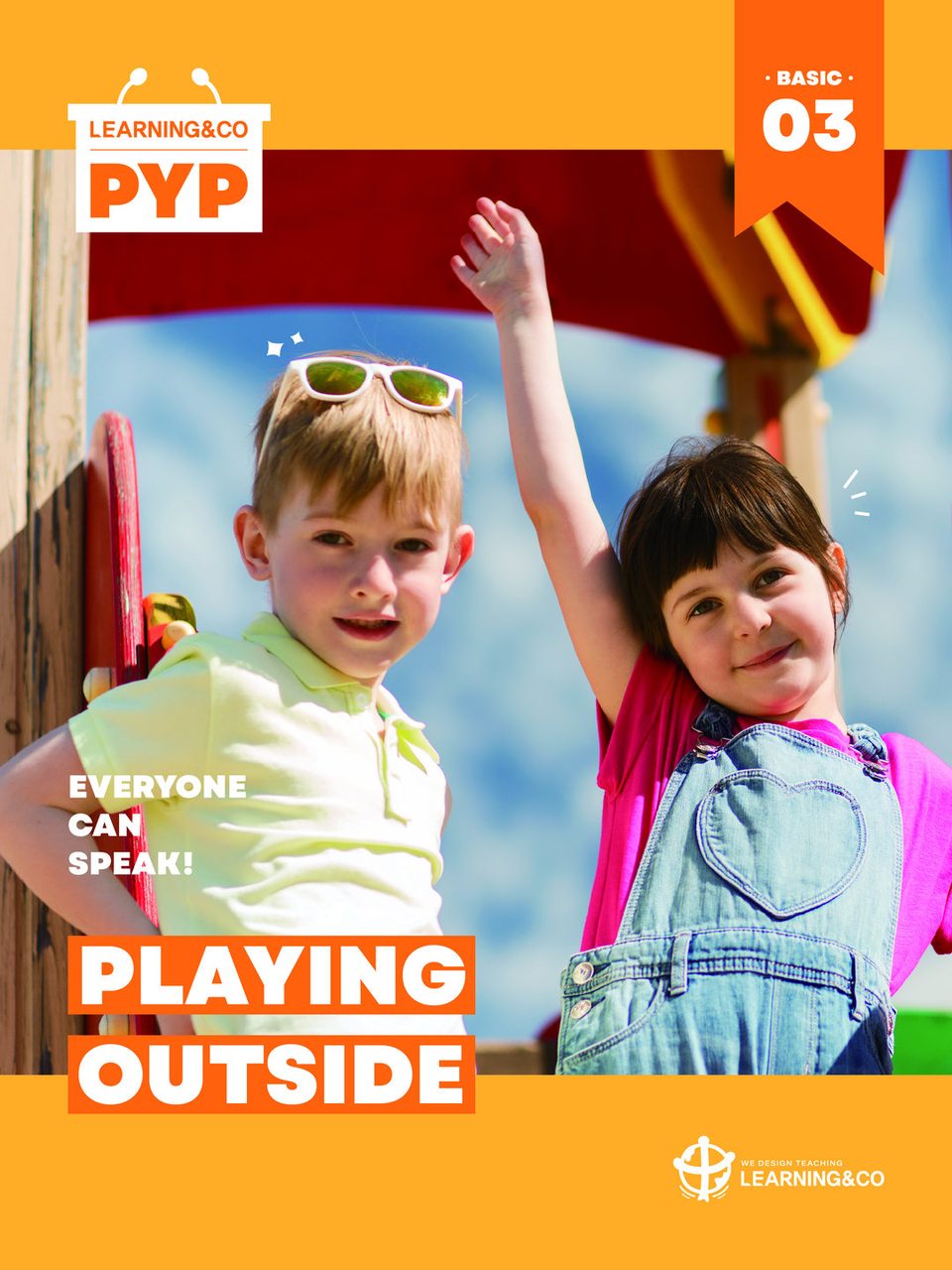
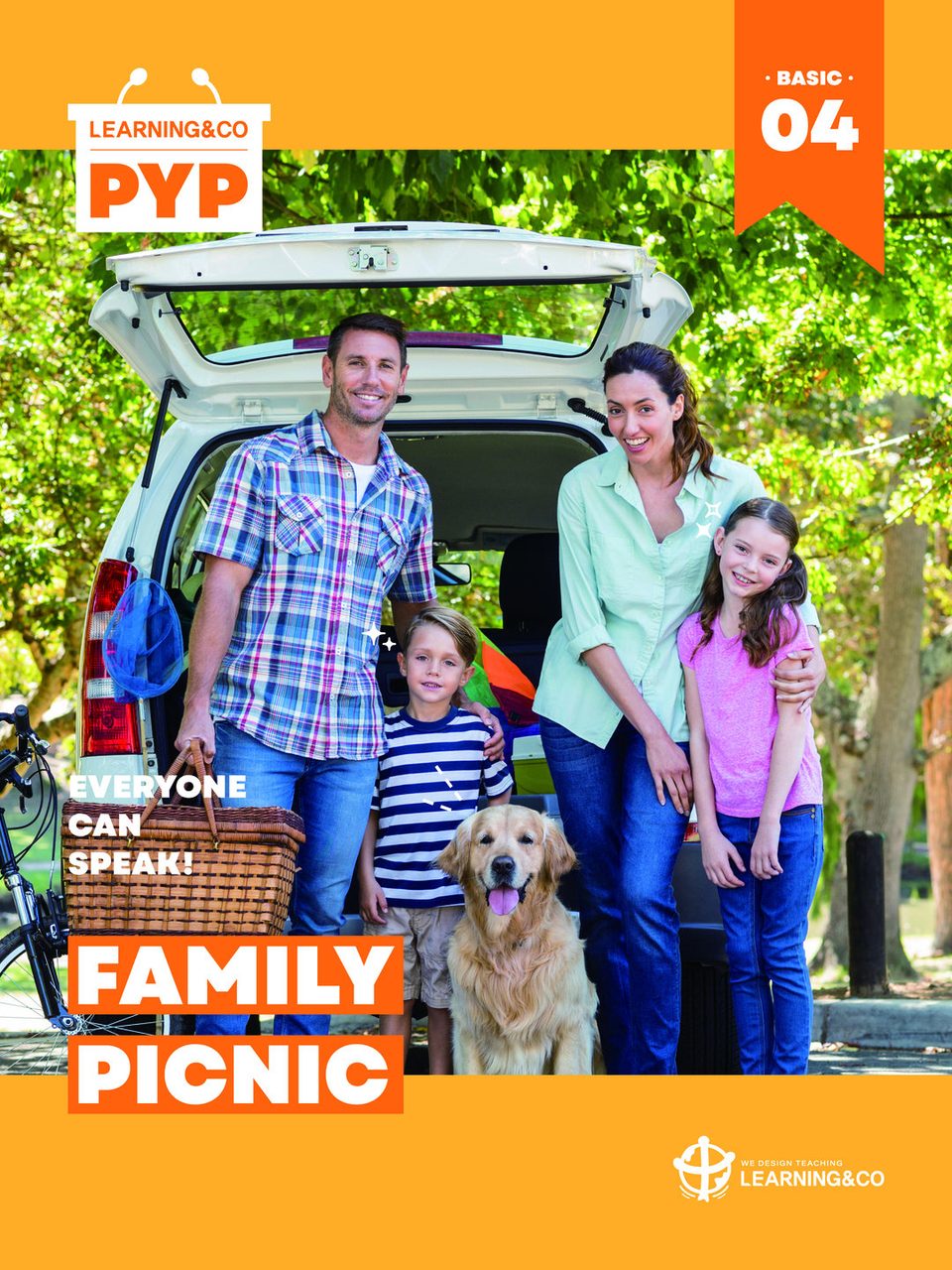
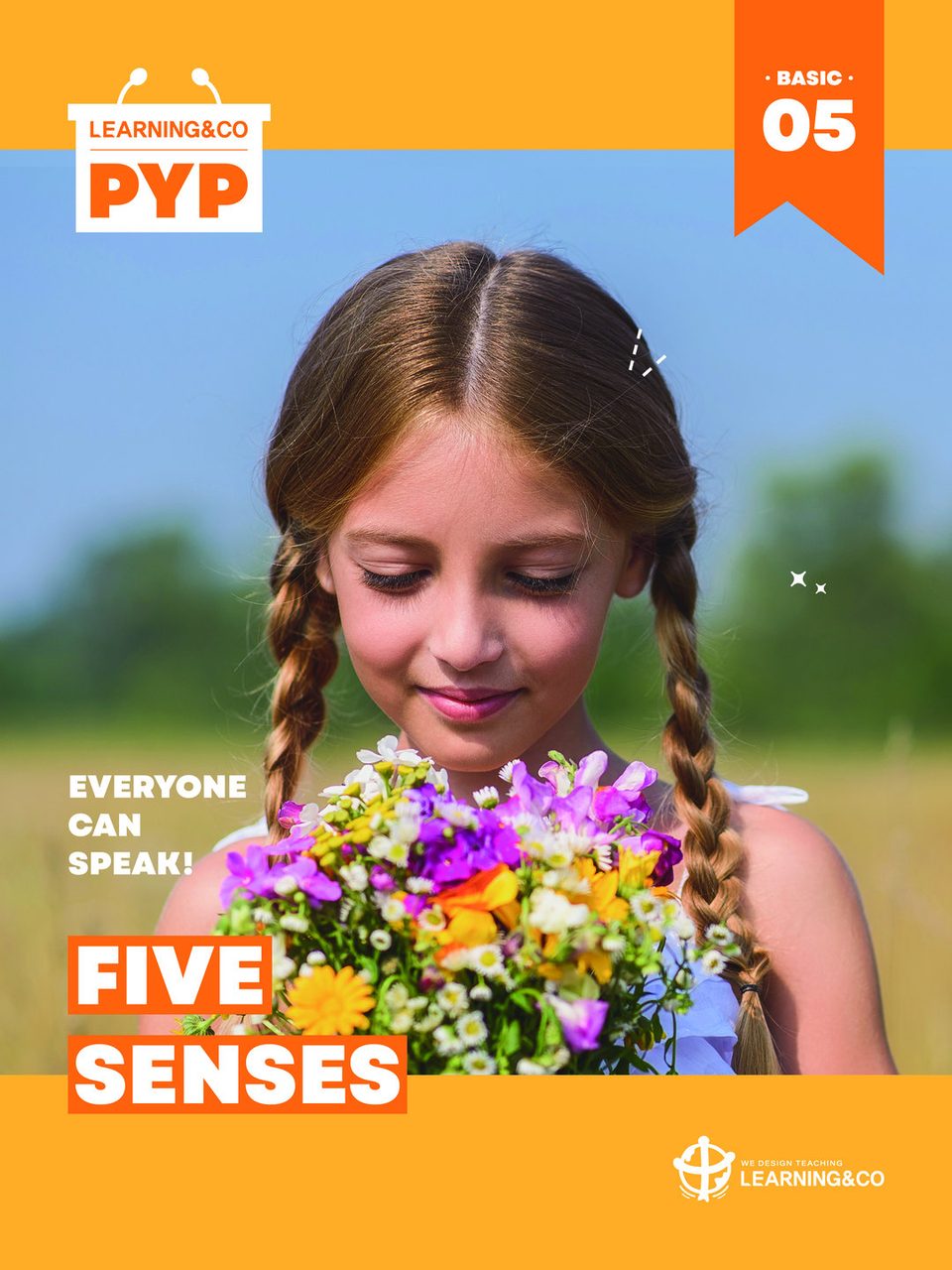
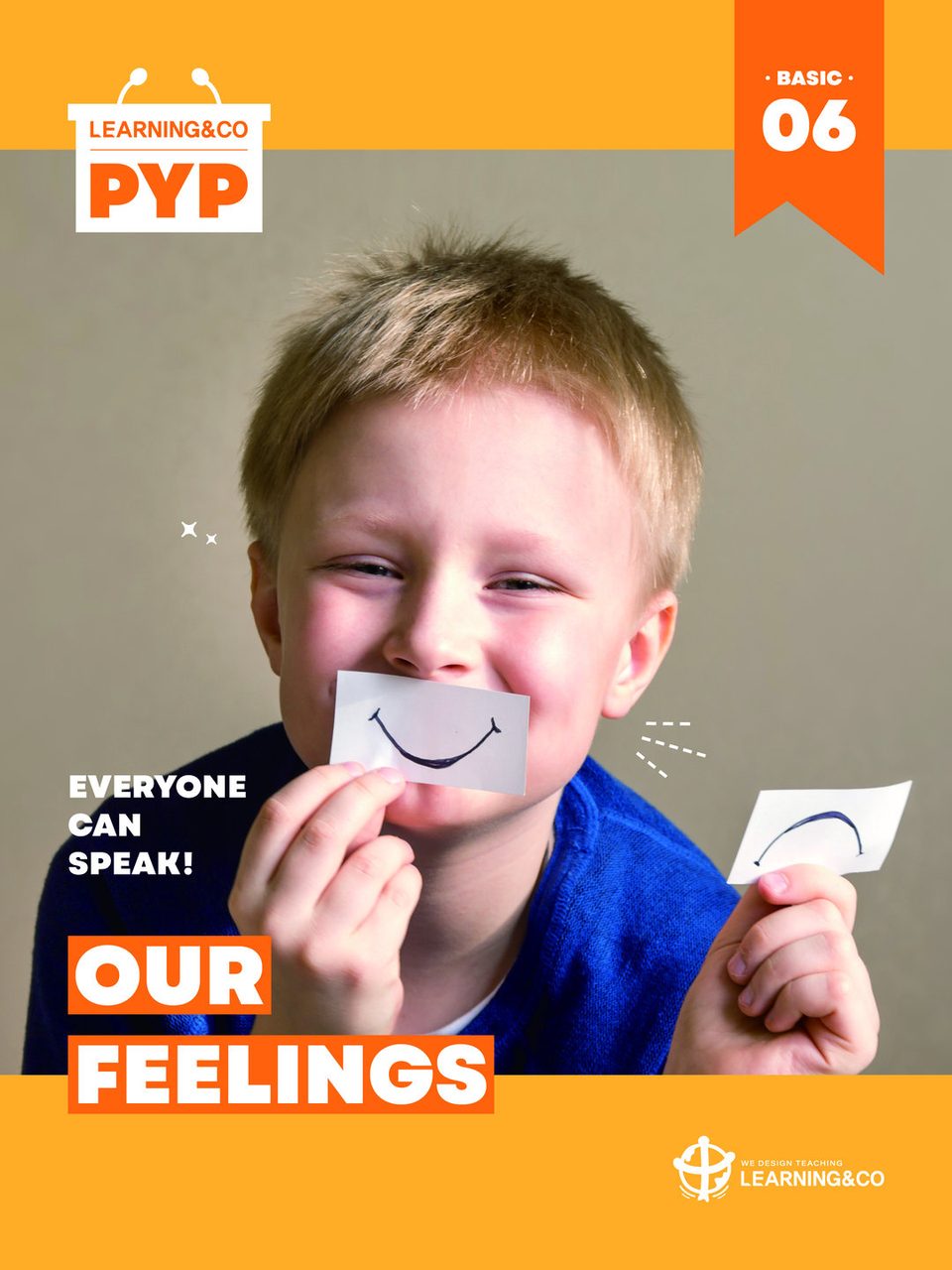
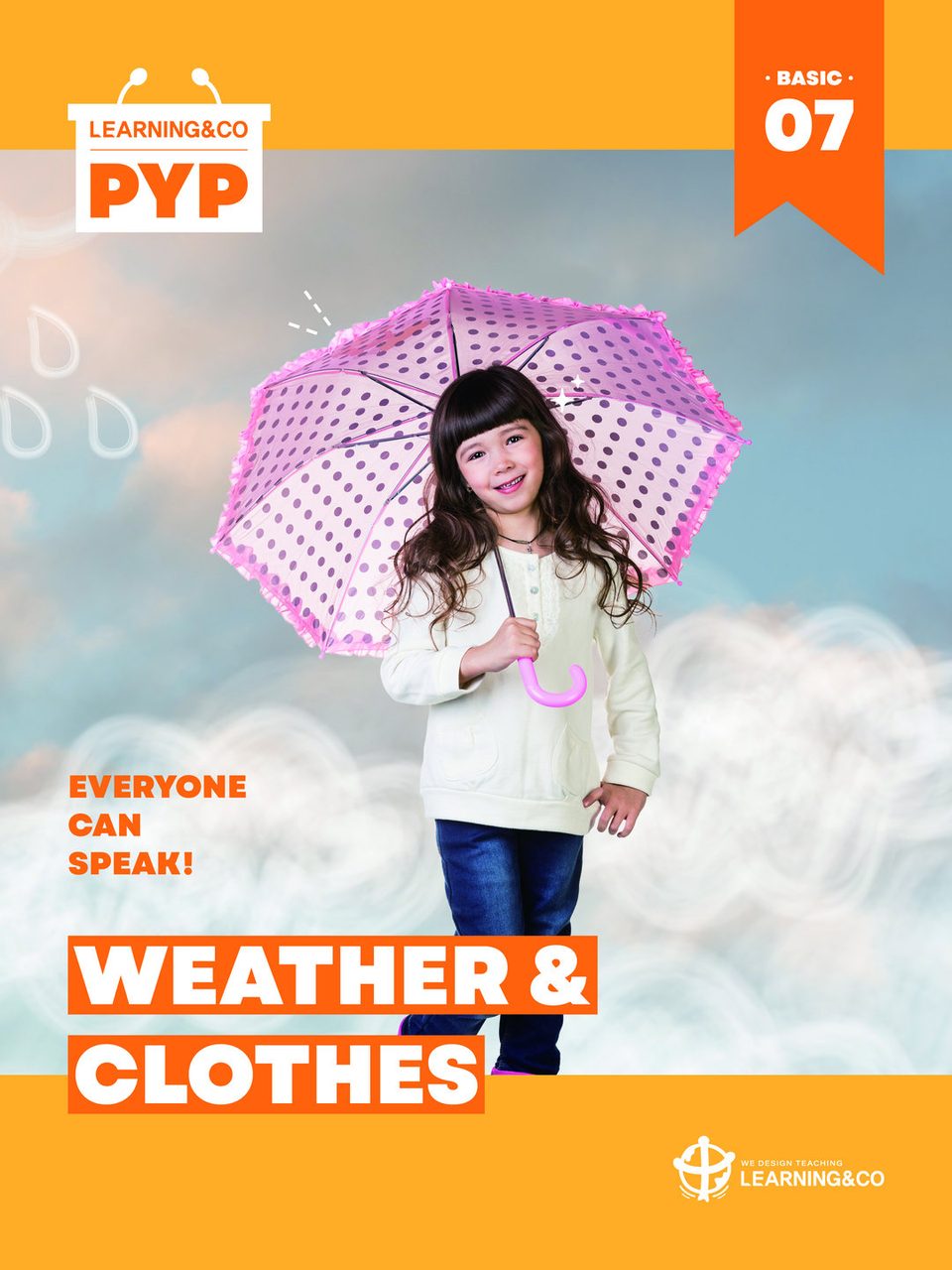
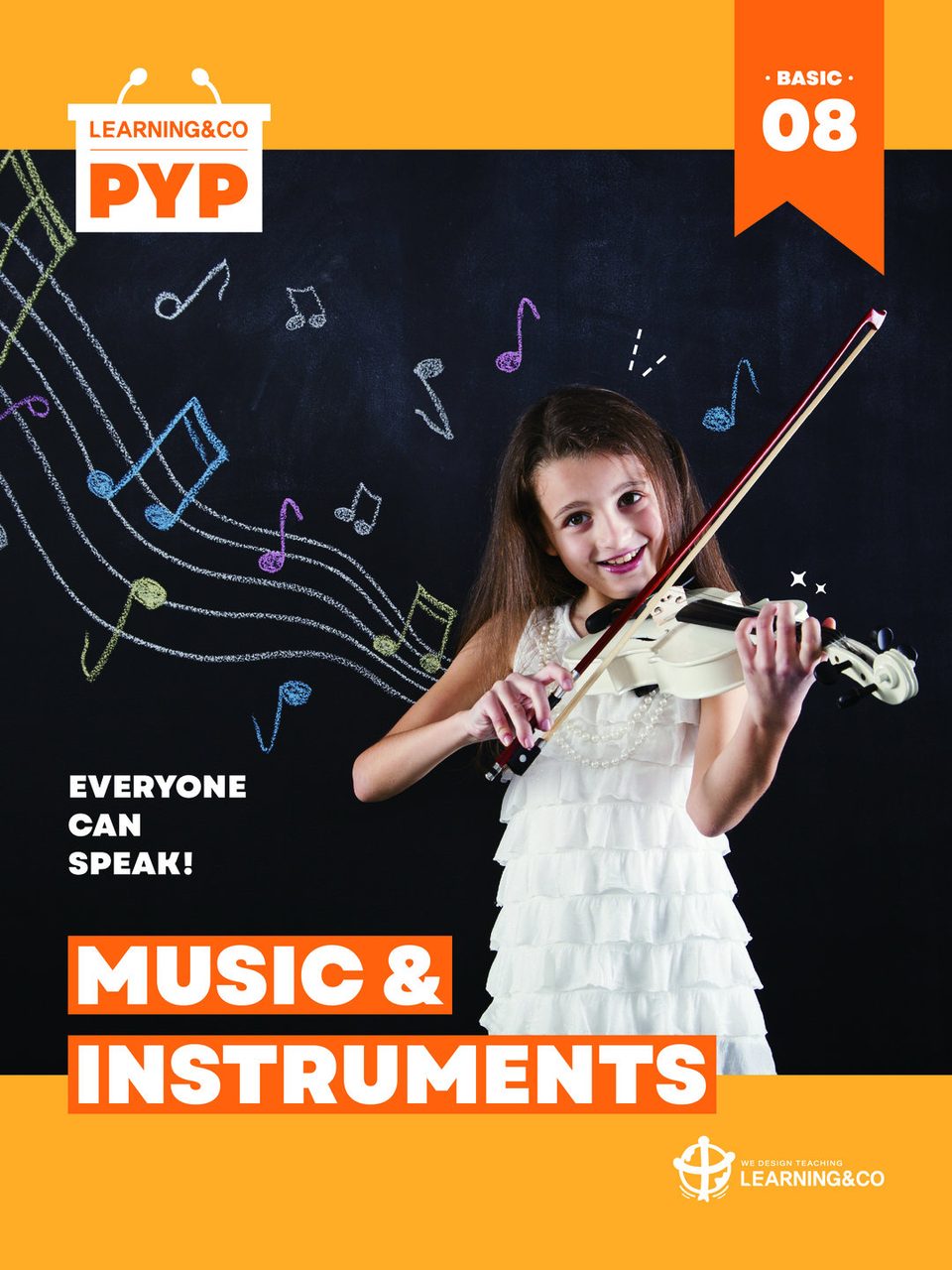
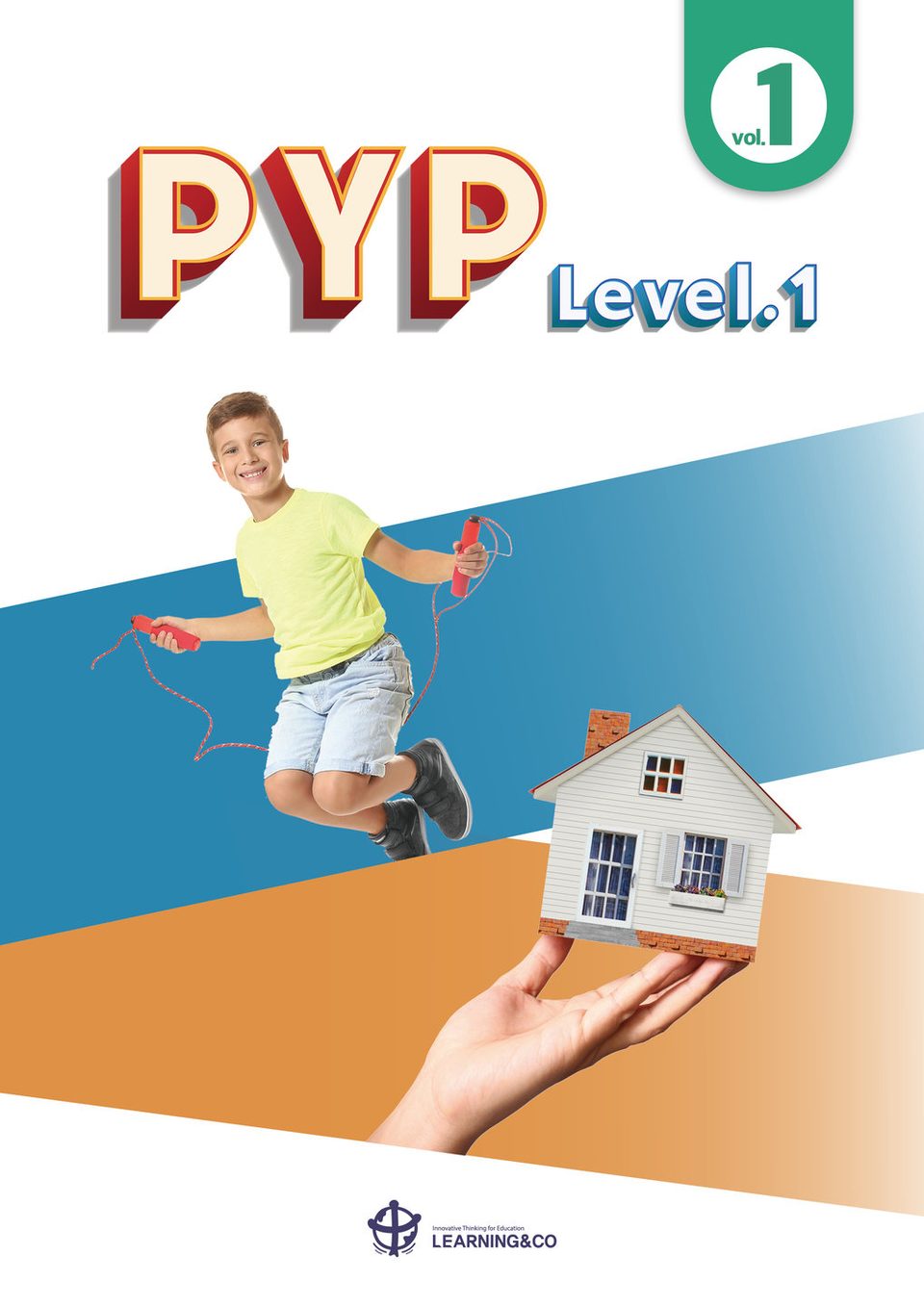
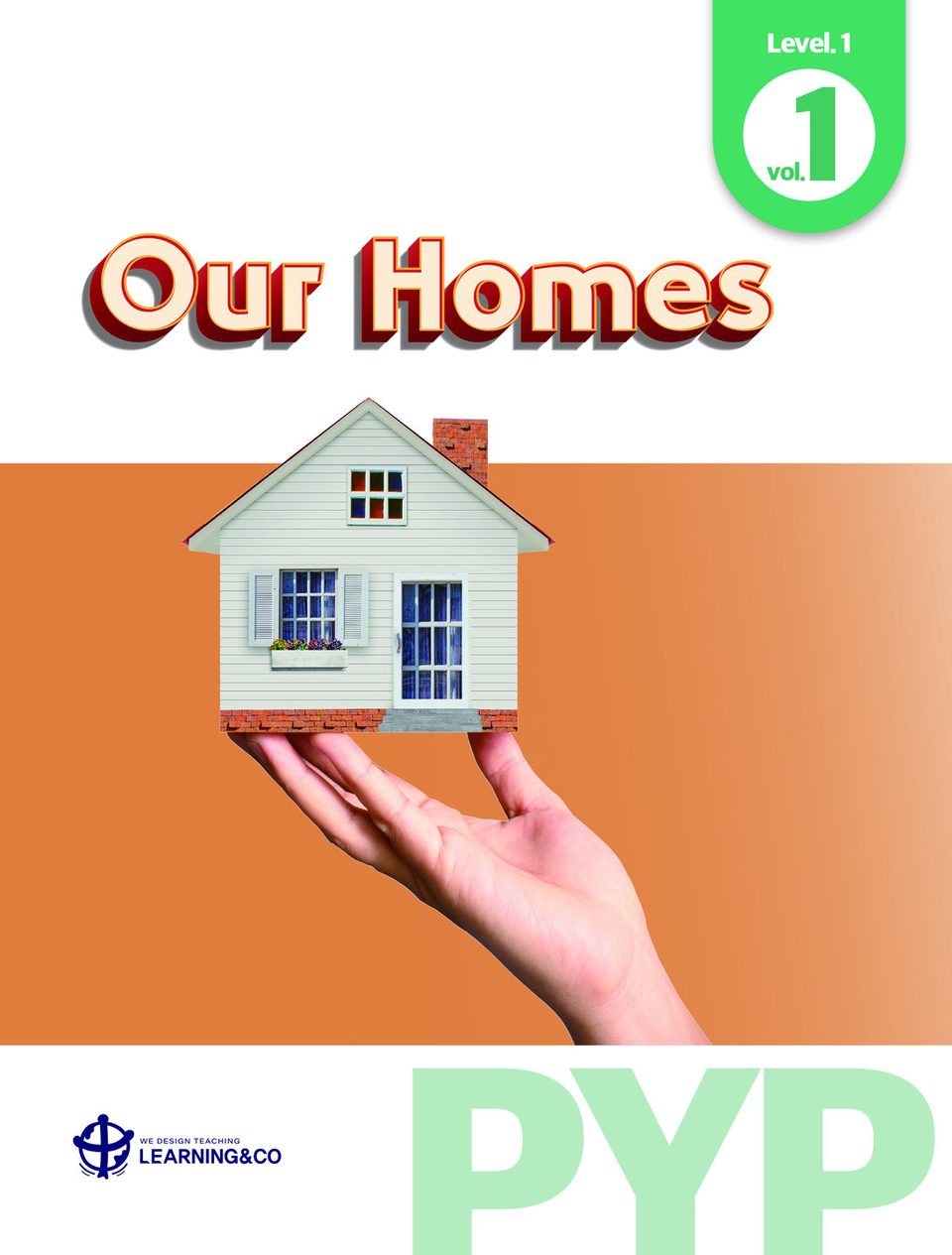
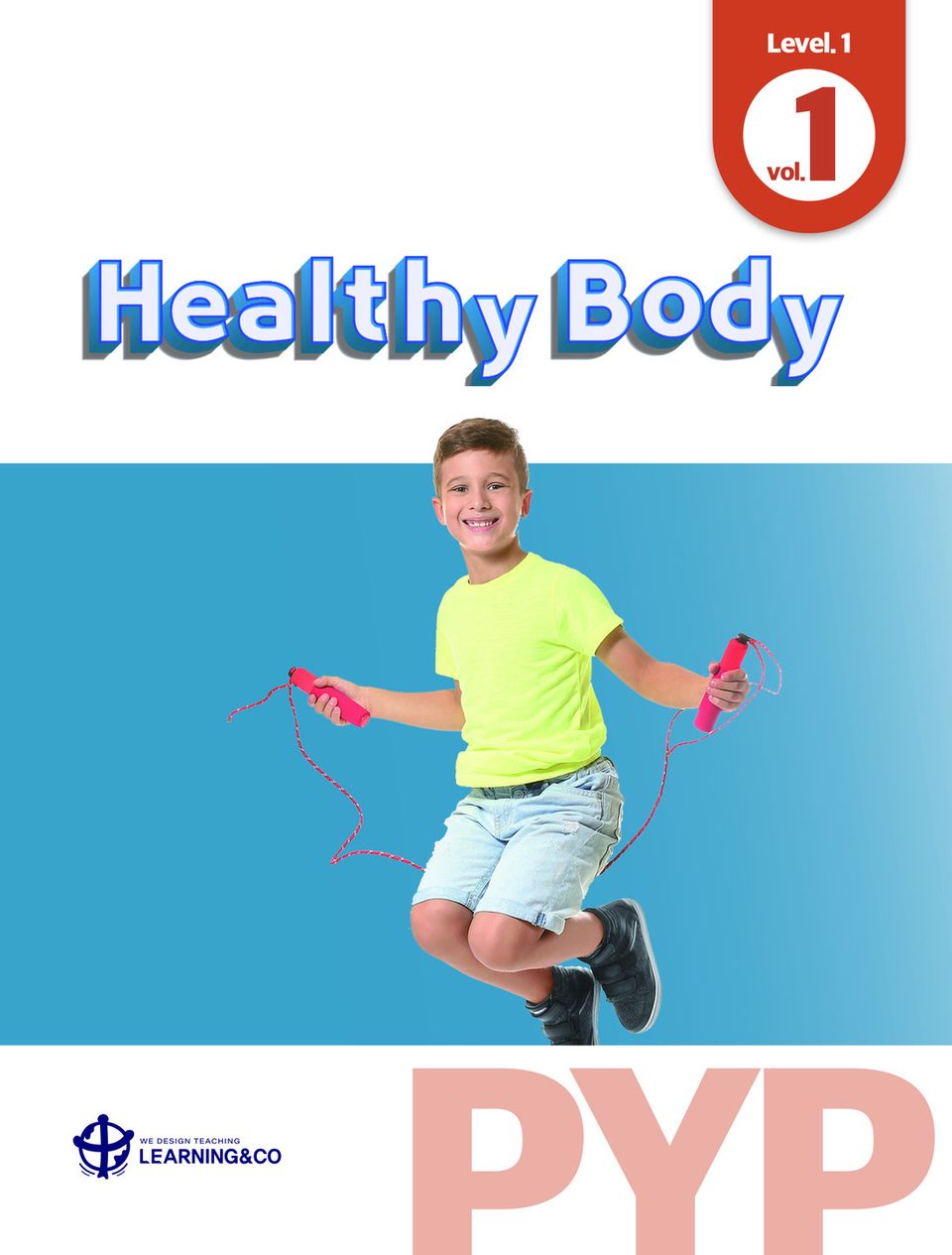
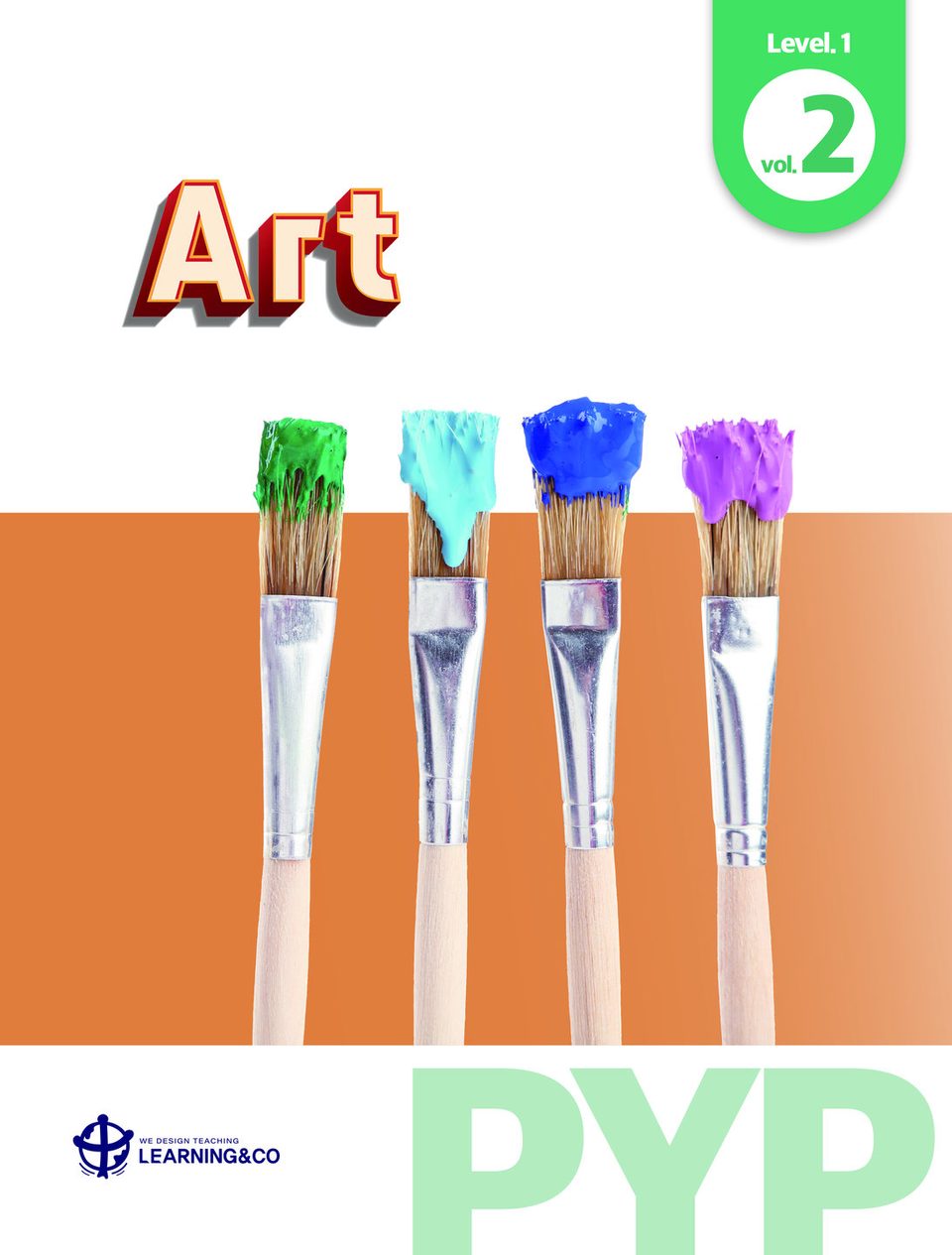
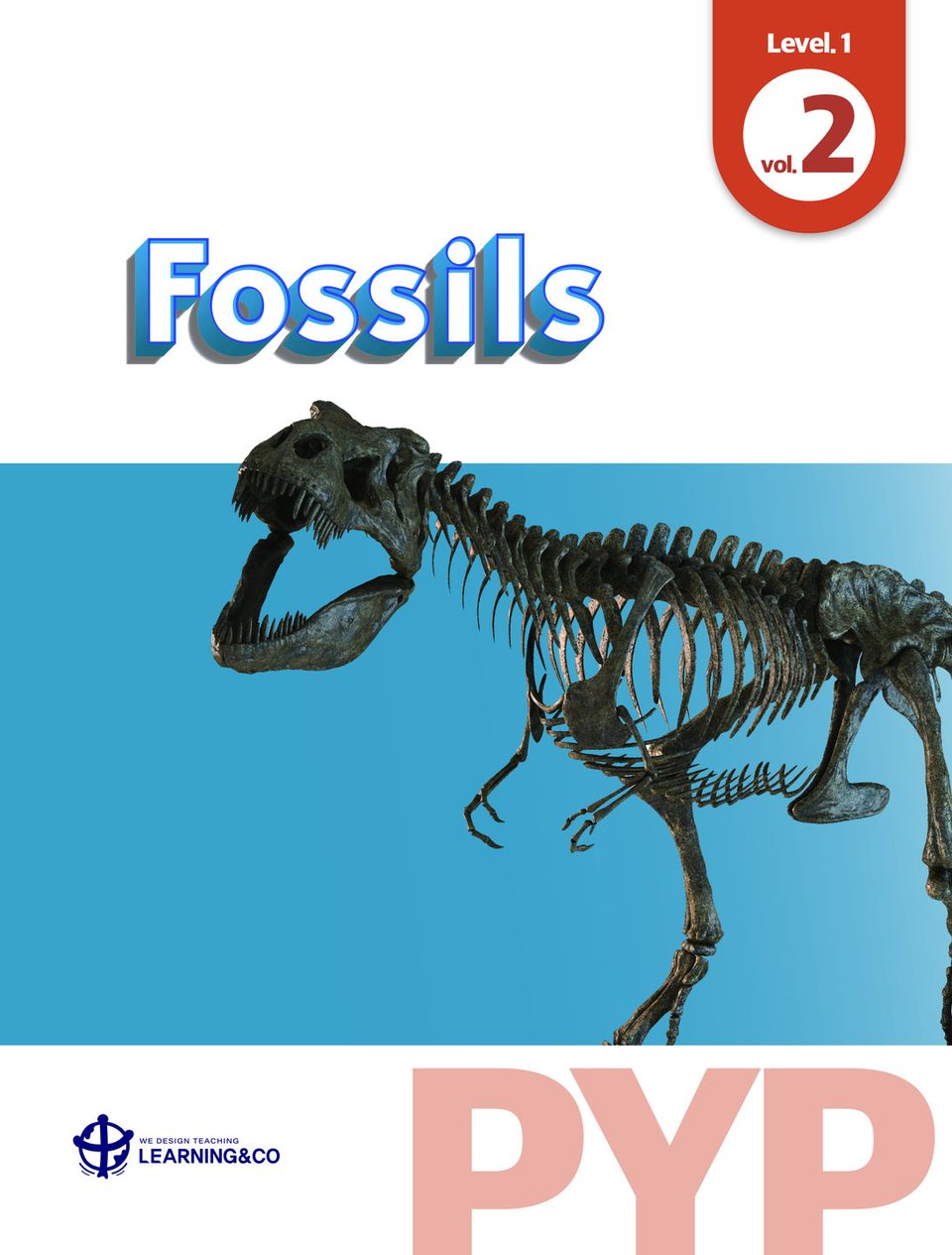
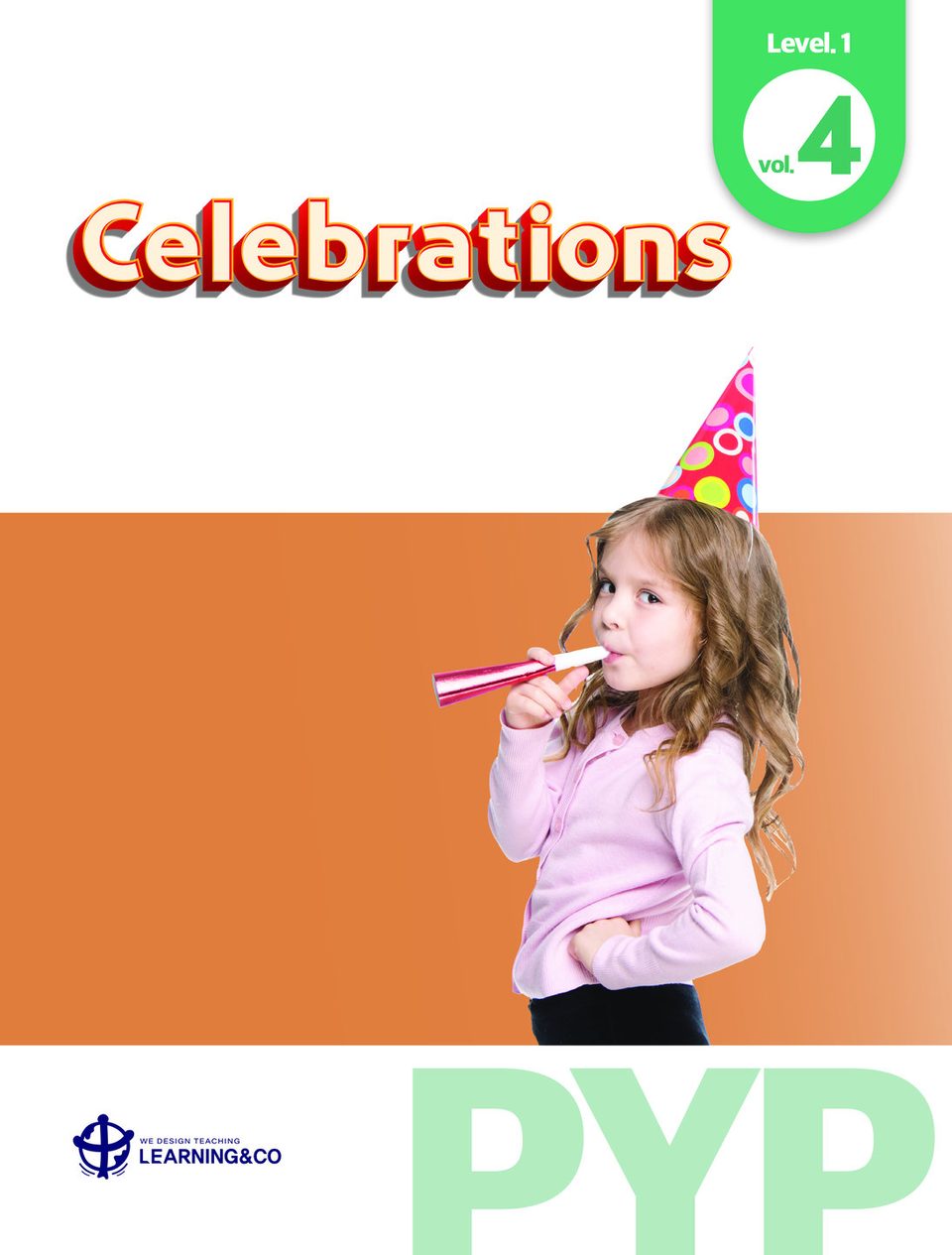
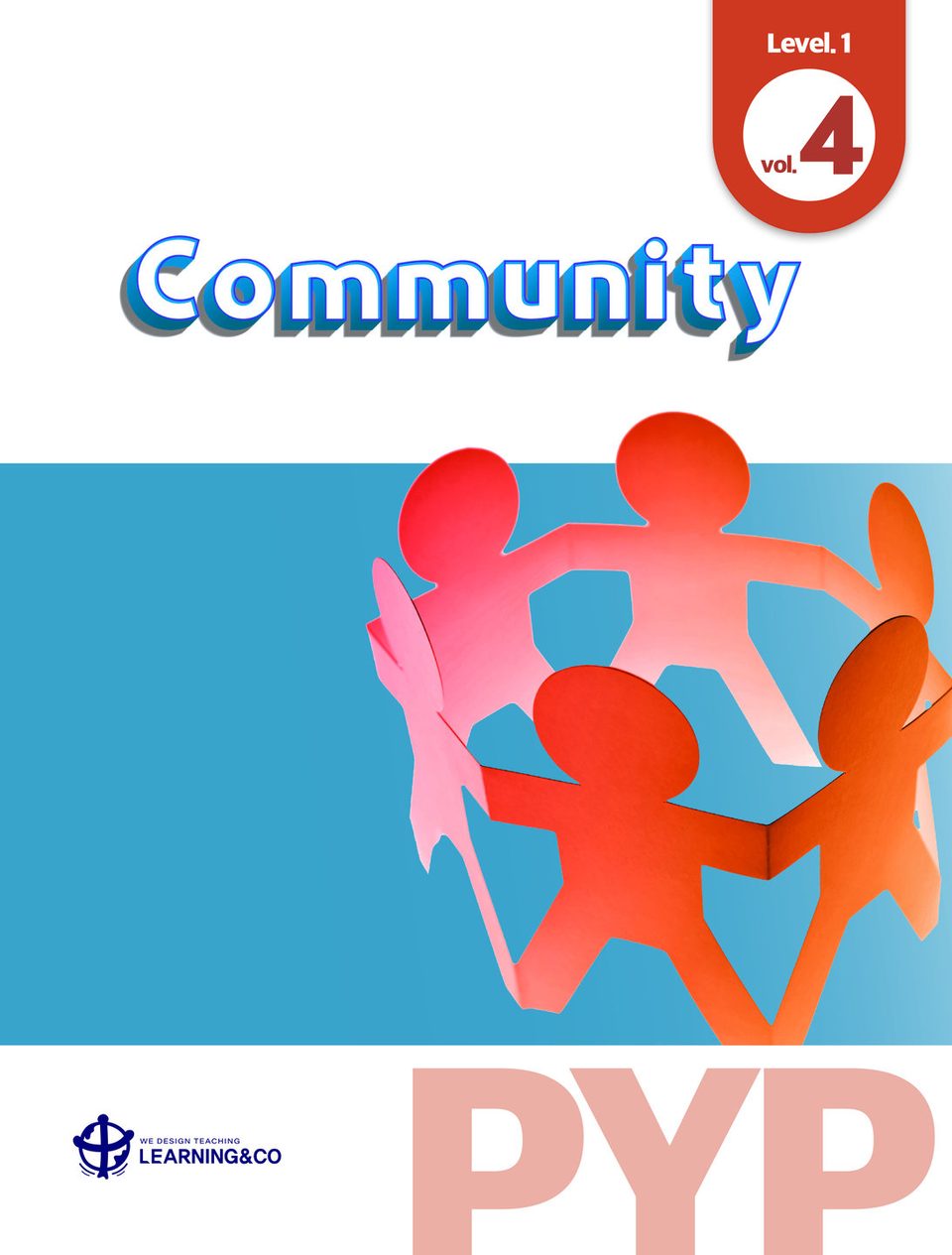
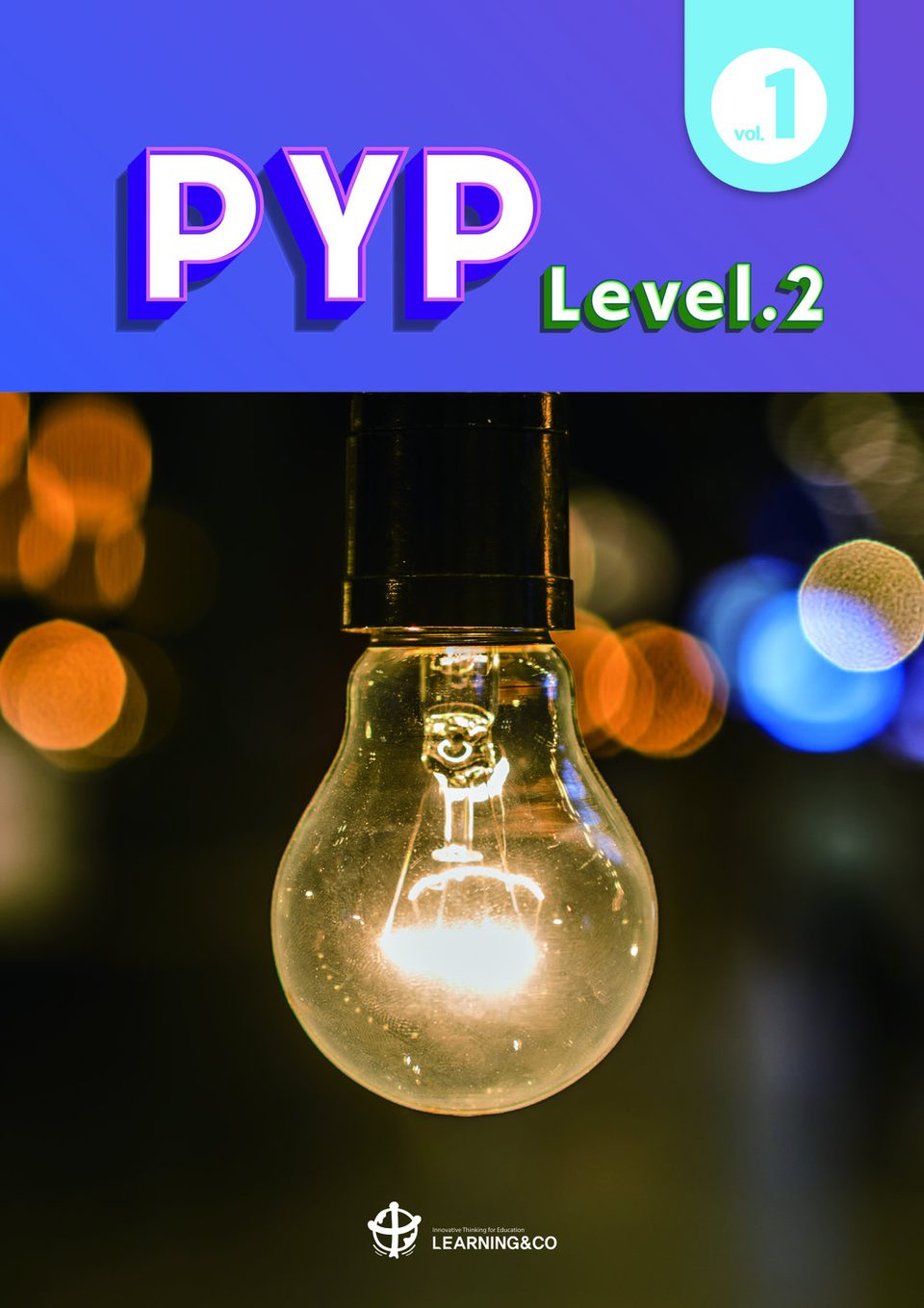
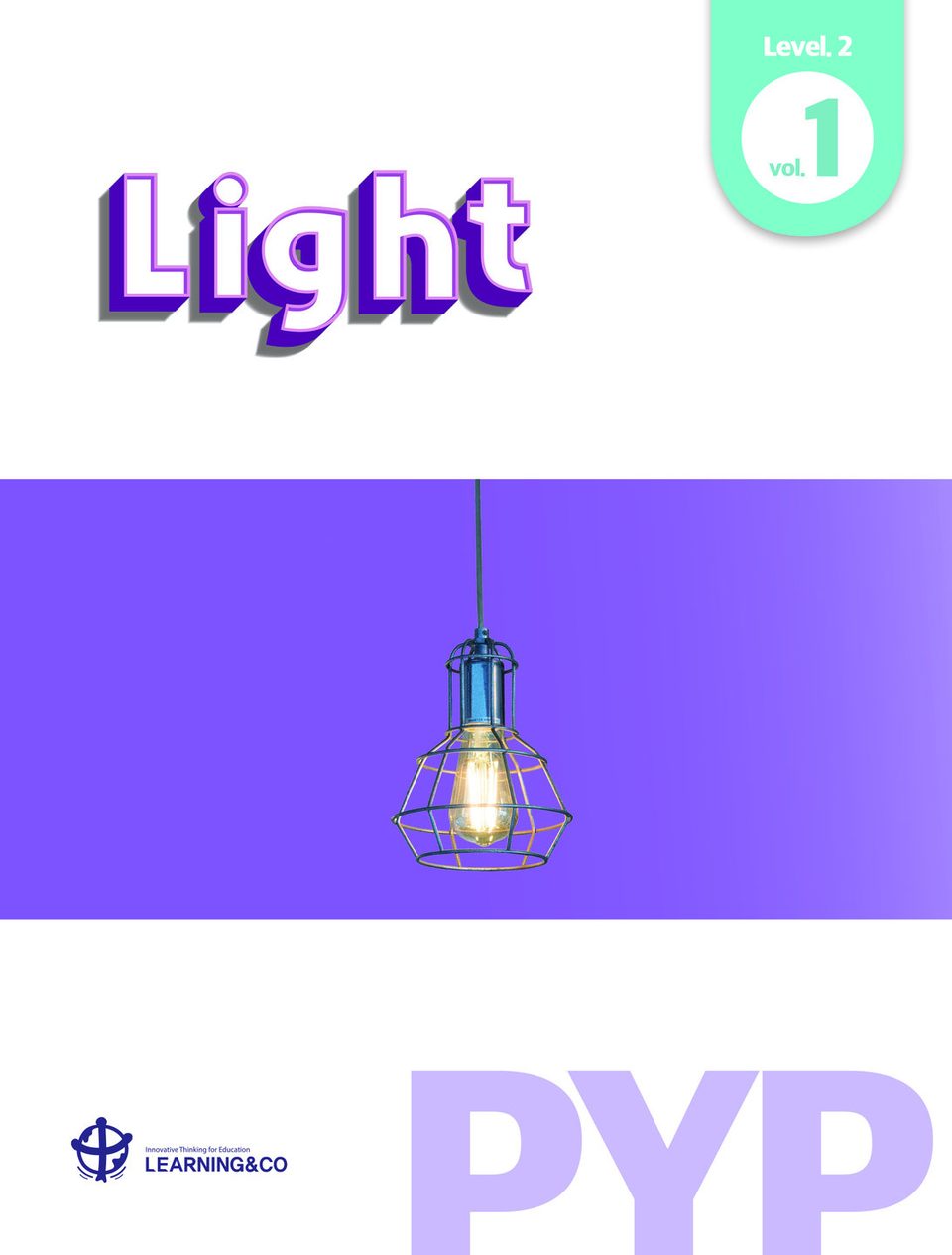
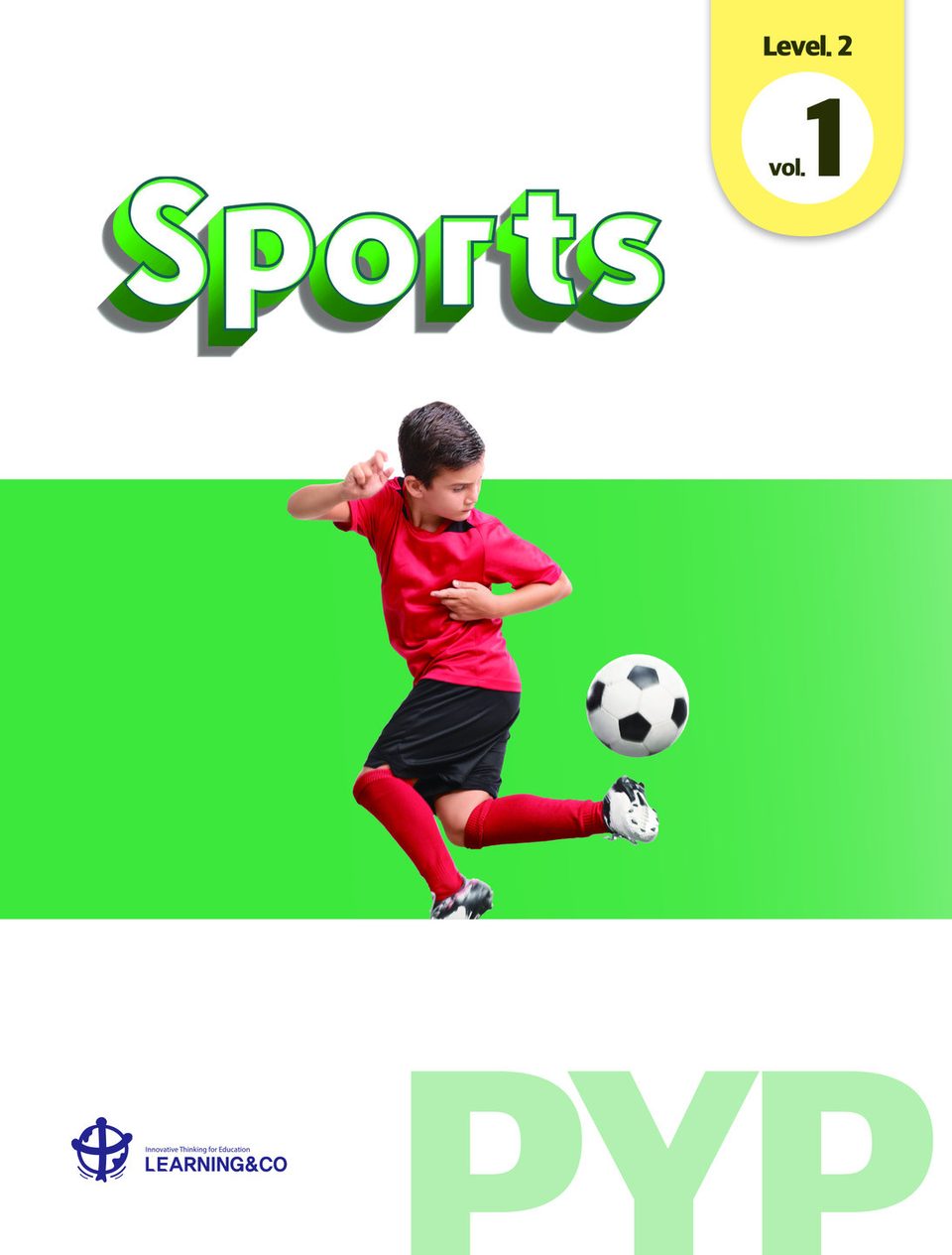
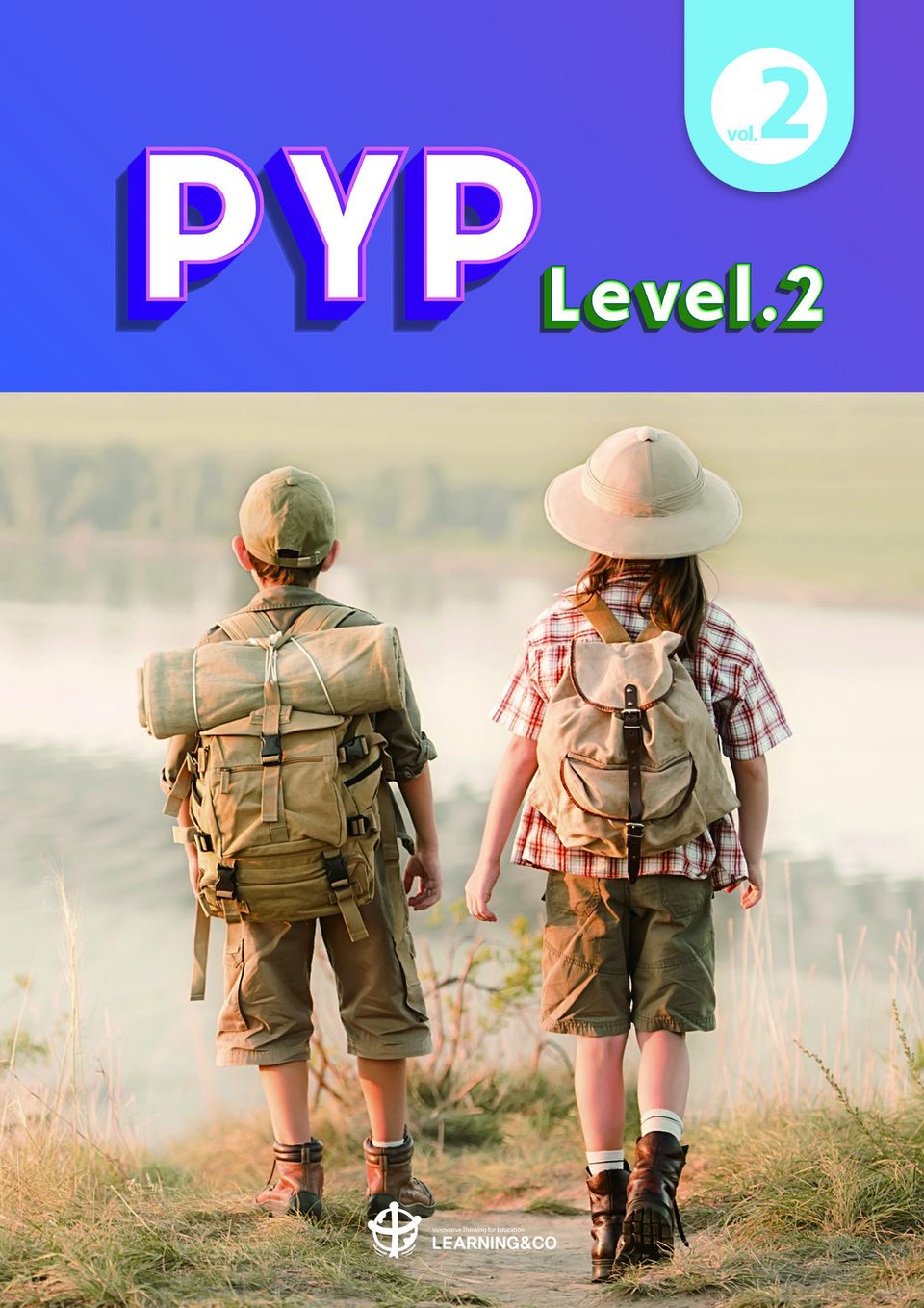
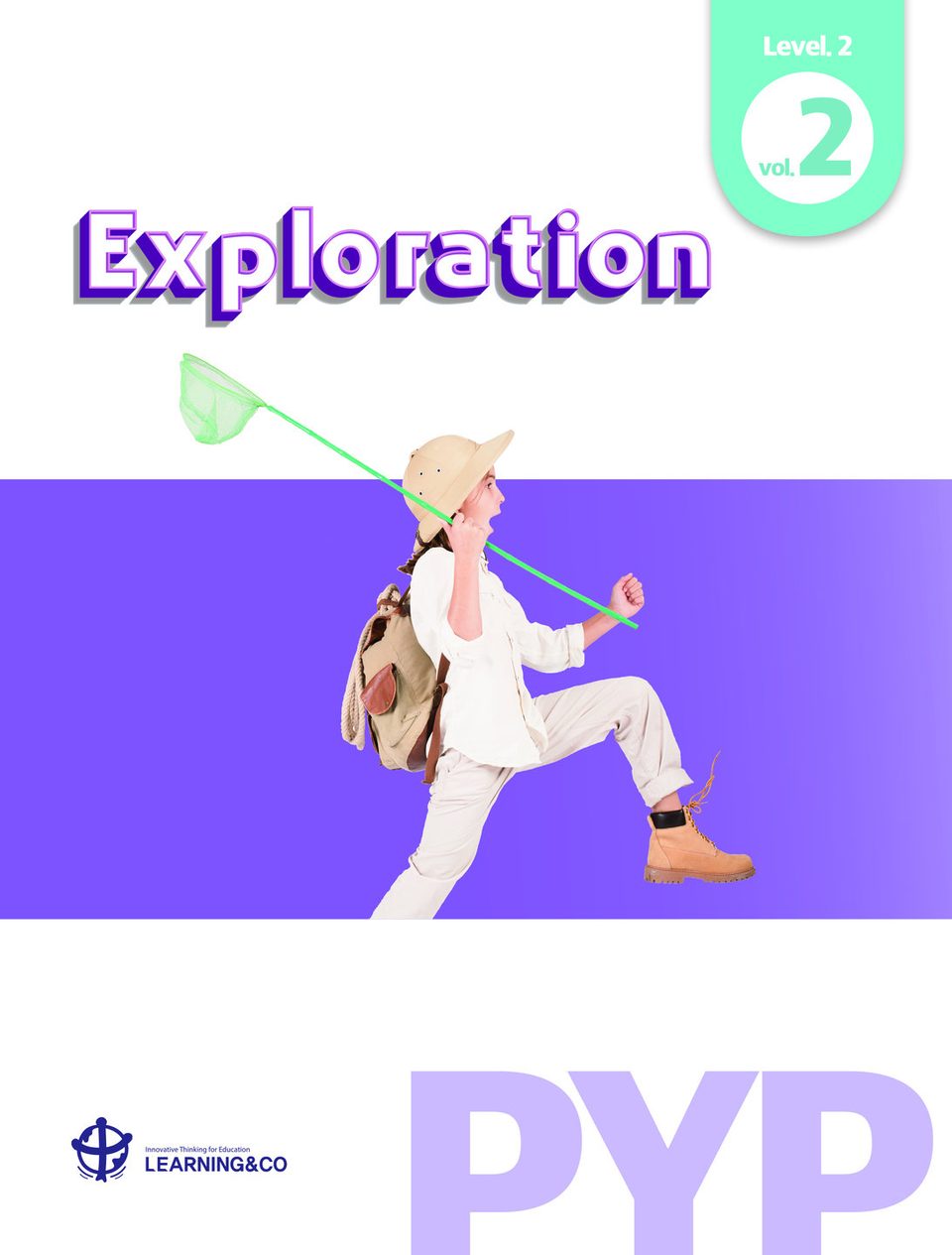
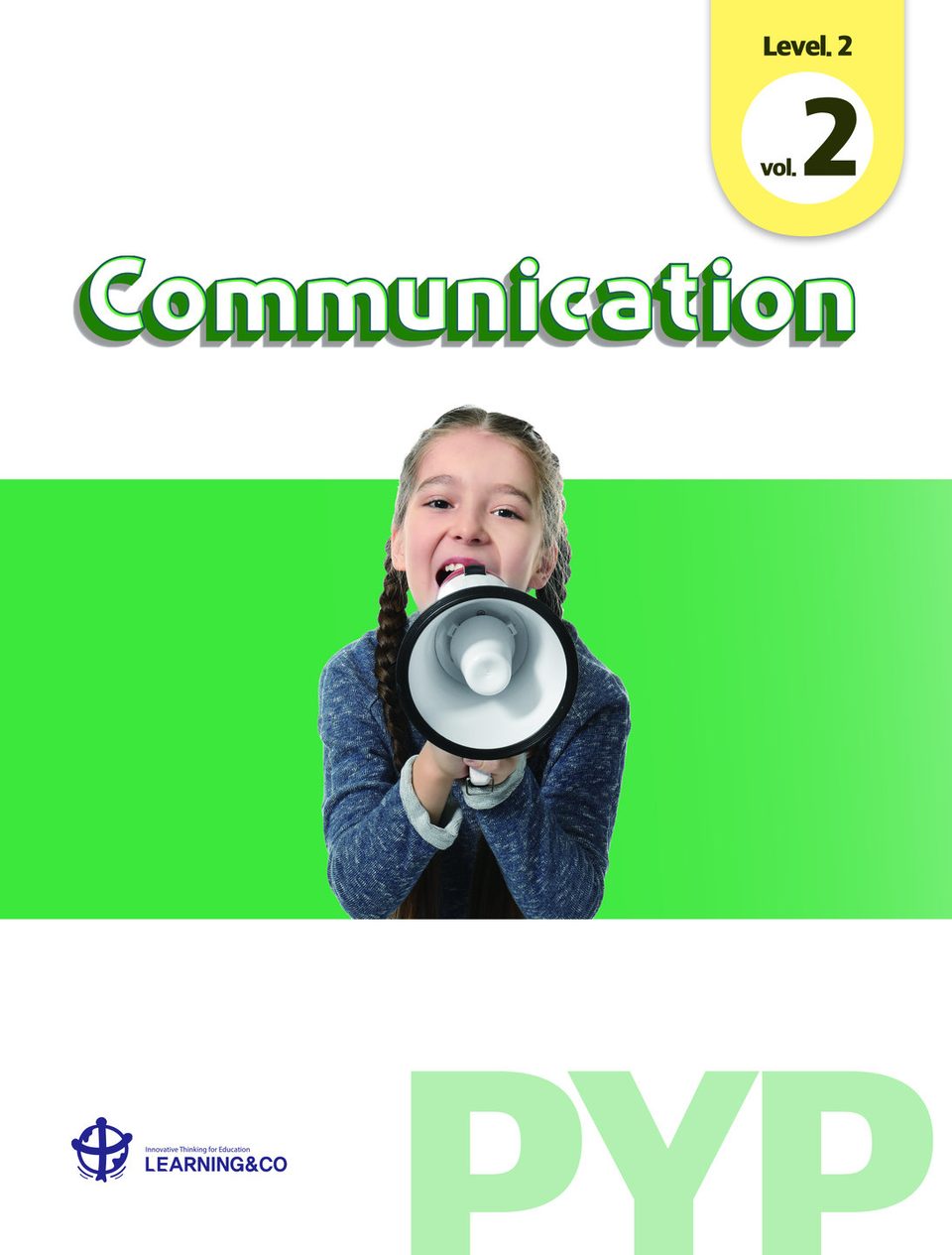
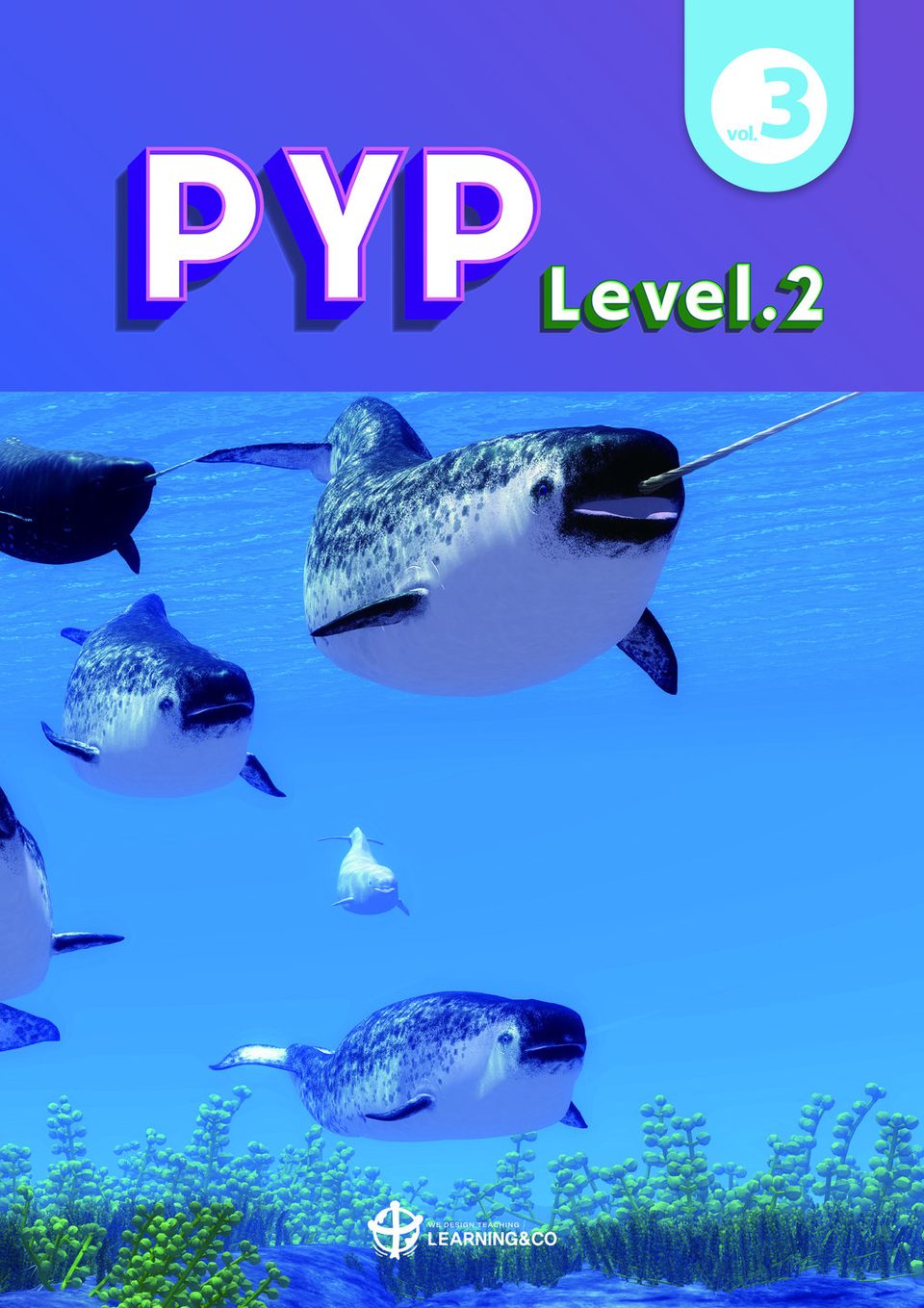
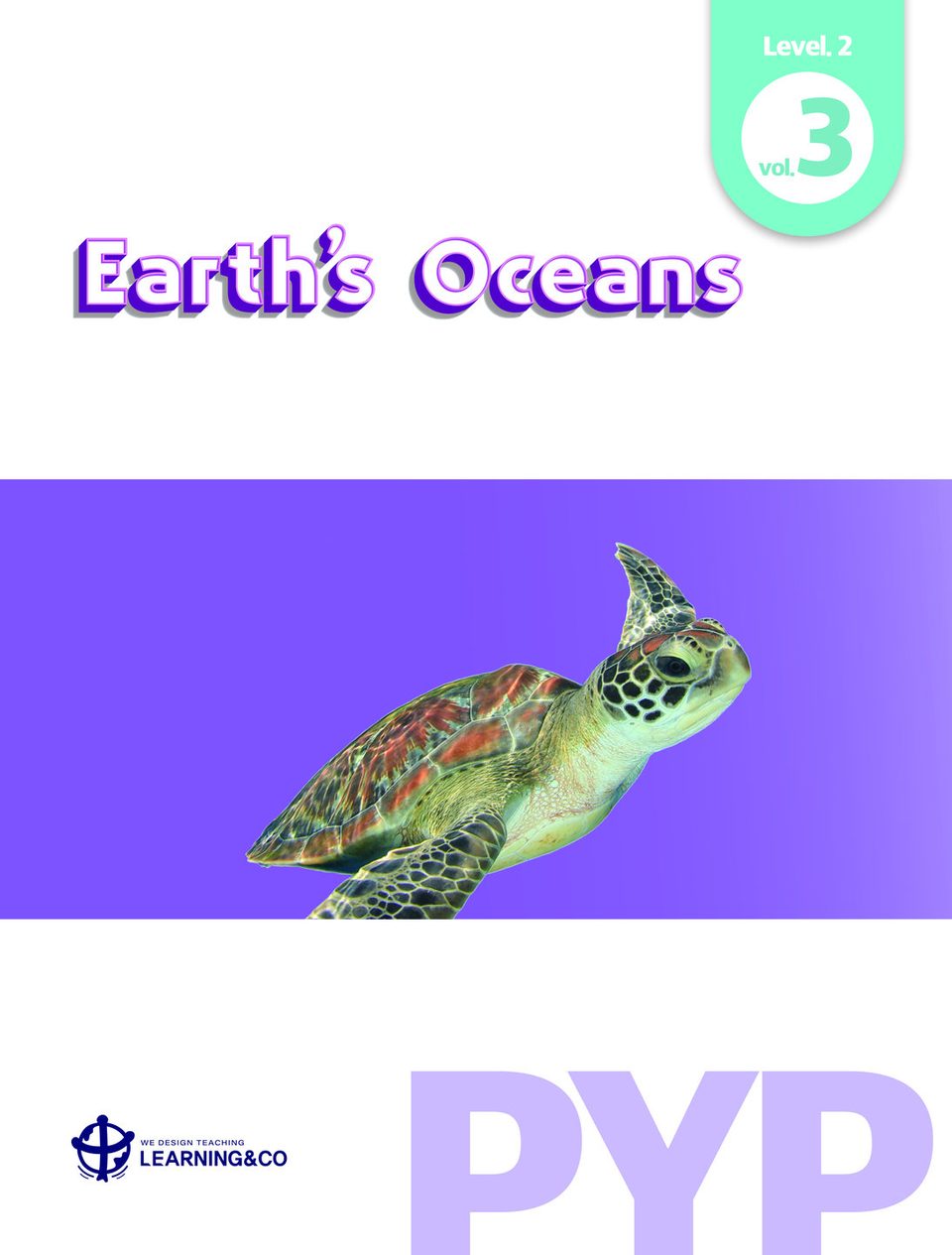
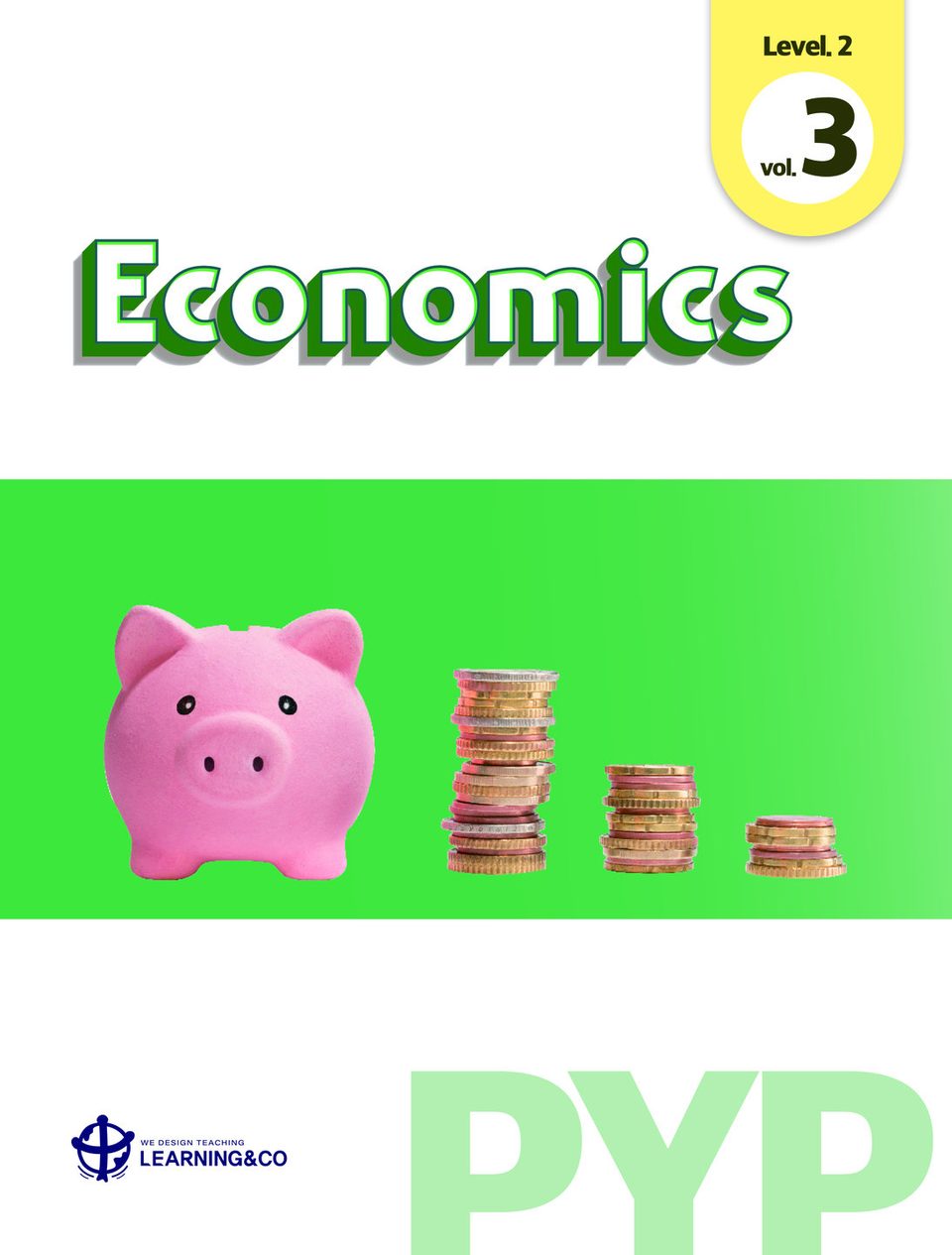
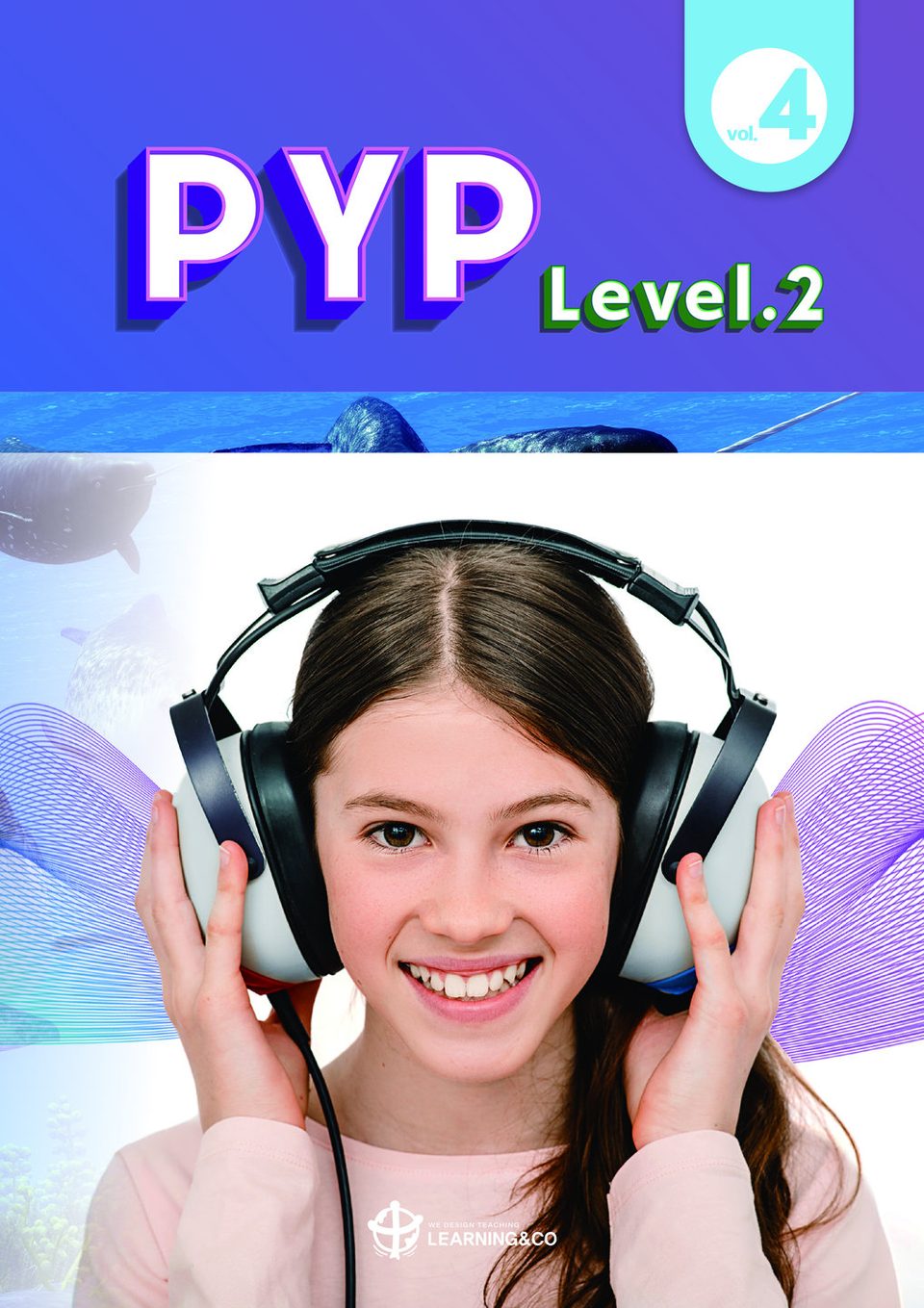
These are the ways this program can be used. Tell us your goals and we will discuss the configuration, scope of use and support.
Textbook supply covers the 10-book PYP Basic series. Levels 1–3 are discussed through a content partnership.
Choose the content and programs you need for your own education business. We agree with each partner on what can be used, how it can be used and the support provided.
We discuss program options, support, territory and contract terms for each project and partnership.
From brand franchising and the supply and distribution of textbooks and content to international business, B2C sales and learning services. Tell us about the business you have in mind and we’ll recommend the best fit.